Bangkok Dusit Medical Services (BDMS), the Thai private hospital group, is taking majority control of Genepeutic Bio (GNPT), a cell and gene therapy company spun out of a Bangkok university hospital. BDMS disclosed the deal in a filing to the Stock Exchange of Thailand on October 19, 2026.
According to the filing, Royal Bangkok Healthcare, a wholly owned BDMS subsidiary, agreed on October 16 to subscribe for newly issued GNPT shares worth THB 170 million (about $5.1 million). The purchase raises its holding from 19.9% to 55%, and GNPT becomes a BDMS subsidiary once the deal completes. BDMS is paying from the group's internal cash flow. After the capital increase, GNPT's registered capital will be THB 388,242,543 (about $11.7 million).
Because the money goes into new shares, it stays in the company rather than going to existing shareholders. BDMS executives told The Nation that the funds would support product development, larger manufacturing capacity and work on further treatments, not only GNPT's current medicine. The filing said the deal was too small to need shareholder approval and was not a connected transaction.
What Genepeutic Bio built
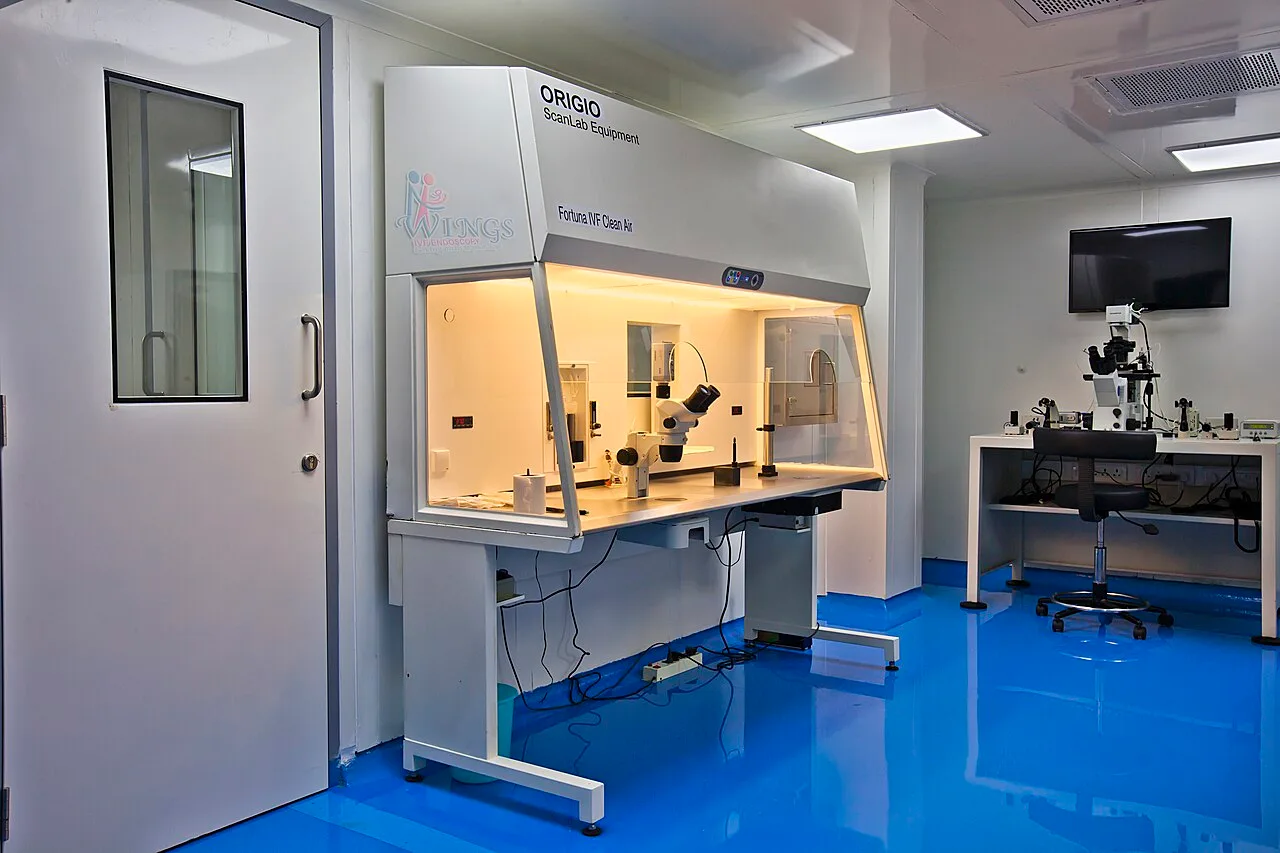
GNPT was set up in 2020 to turn research from the Faculty of Medicine Ramathibodi Hospital at Mahidol University into medical products, The Nation reported. It researches, develops and manufactures advanced therapy medicinal products, a category that covers cell and gene therapies, from a facility at Thailand Science Park in Pathum Thani that is certified under Good Manufacturing Practice rules. BDMS describes it as the first such certified manufacturer in Thailand to specialise in cell and gene therapies.
Its main product is ProtaCAR, a CAR-T therapy, in which a patient's immune cells are genetically modified to find and attack particular cancer cells. ProtaCAR is allogeneic, meaning it is made from donor cells rather than from cells taken from each patient, which could allow doses to be prepared in advance and cut waiting times.
The Thai Food and Drug Administration has granted ProtaCAR conditional marketing authorisation for patients aged four to 24 with CD19-positive B-cell acute lymphoblastic leukaemia, a blood cancer. The approval requires long-term safety monitoring, and any wider use would need further research and regulatory approval.
GNPT can currently produce treatments for about 40 patients a year, according to Dr Ittiporn Chuatrisorn, a GNPT director who is also director of medical innovation at National Healthcare Systems, a BDMS subsidiary. With more equipment, the facility could treat around 200 patients a year, she said.
“The investment in GNPT marks another important milestone for BDMS as we expand our role beyond healthcare service provision to become actively involved in the development of advanced medical technologies.”
Why BDMS is investing
BDMS said in its filing that the investment fits its plan to build up capabilities in precision medicine and in cell and gene therapies, and to support medical innovation that improves treatment, strengthens its competitive position and creates long-term growth.
"The investment in GNPT marks another important milestone for BDMS as we expand our role beyond healthcare service provision to become actively involved in the development of advanced medical technologies," Ittiporn said, according to The Nation.
Price is a large part of the case. Ittiporn said imported CAR-T medicines can cost THB 15 million to THB 20 million (about $450,000 to $600,000) per case for the drug alone, before travel and hospital costs, and that making the treatment in Thailand could cut costs by as much as one-third. Dr Surangkana Techapaitoon, deputy chief executive of the Samitivej and BNH Group of Hospitals, put the price of commercial CAR-T products at $500,000 to $700,000. "This work comes from Thai scientists, and because the patent is ours, we hope to bring down the price," she said.
The executives also expect demand from abroad. Foreign patients make up about 30% of BDMS's patients, many of them from Southeast Asia, the Arab world and South Asia, they told The Nation.
What comes next
BDMS cannot yet offer ProtaCAR at its hospitals. It still needs approval from Thailand's Department of Health Service Support, and Ittiporn said an application had been filed, with the group hoping for a decision by the end of 2026.
Staff are being trained with medical institutions in the United States ahead of the planned launch. "We have to prepare the doctors, nurses, pharmacists and technical staff. Our staff are undergoing training in the United States before returning to help prepare the centre. The facilities and medicine are ready, and we are putting the procedures in place to provide the best possible care," Surangkana said.
GNPT is also studying other uses of CAR-T, including for lymphoma, which would need their own trials and approvals. Over the longer term, BDMS and GNPT plan to link research, manufacturing, diagnostic testing and follow-up care across the hospital network, and are considering tissue therapies and partnerships elsewhere in the region.
A shift for a hospital operator
Dealroom described BDMS as Thailand's largest private hospital operator. The GNPT deal moves it further into making the medicines it administers, rather than only buying them from overseas suppliers.
Dealroom also noted that the Thai FDA has recently introduced measures for a manufacturing and registration pathway for advanced therapy products. BDMS did not disclose GNPT's revenue, valuation, headcount or the names of its other shareholders, and none of the reports said how much outside funding the company had raised before this deal.