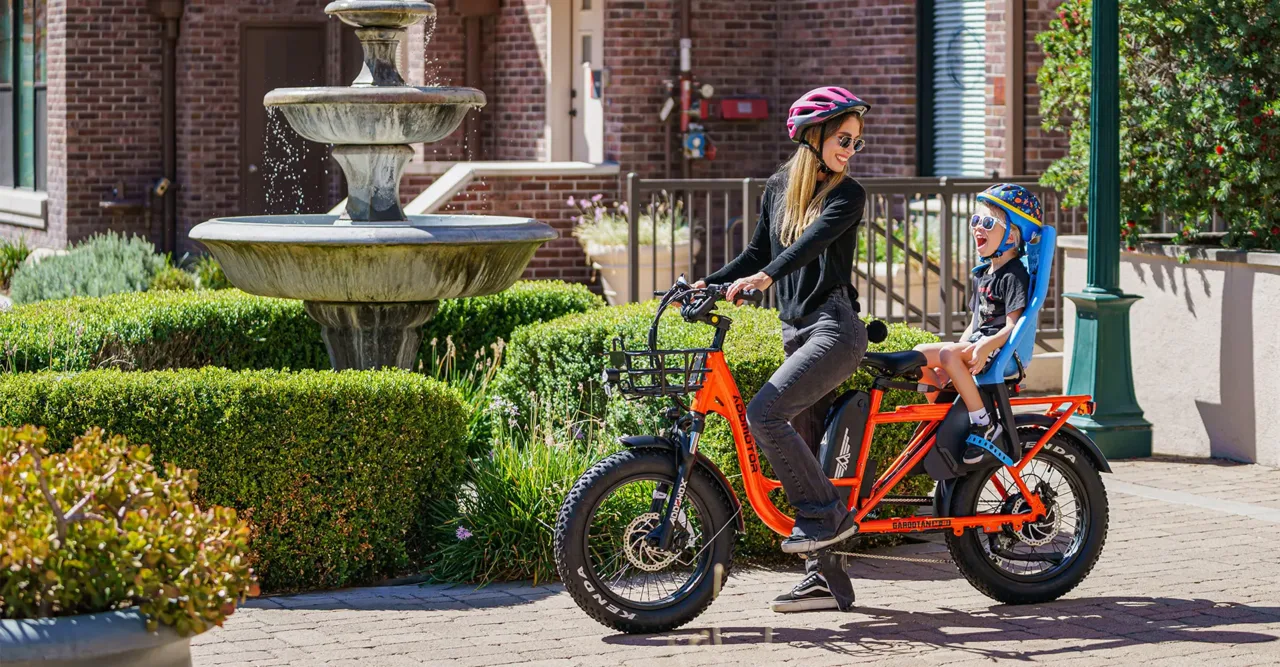
Rad Power Bikes, the Seattle-based direct-to-consumer electric bike company, agreed to sell its assets to Life Electric Vehicles Holdings (Life EV) for about $13.2 million, according to a bankruptcy court filing reported by TechCrunch on January 26, 2026. Including liabilities the buyer agreed to take on, the bid was worth about $14.9 million.
The sale came a little over a month after Rad Power filed for Chapter 11 protection in December 2025. It needed the bankruptcy judge's approval, with a hearing scheduled for January 30, 2026. If approved, the parties expected to close by February 13 and no later than February 27, unless they agreed to extend.
A Rad Power spokesperson told Electrek that the sale was not final pending court approval. Life EV did not say whether it would keep the Rad Power brand running in its current form or how many employees it would hire.
How the auction worked
Five bidders took part in the auction on January 22, which was run by Hilco Corporate Finance. Bidding opened at $8 million. Xander Bicycle Corporation, which sells e-bikes under the Retrospec brand, placed the second-highest bid of $13 million, worth about $14.6 million with liabilities, and was named backup bidder in case the Life EV deal fell through.
According to the auction notice summarised by Micromobility.io, Life EV would buy a broad set of Rad Power's operating assets free and clear of other claims. It agreed to take on warranty claims, inventory in transit, gift cards issued by Rad Power and accrued paid time off for any employees it hires, and had until March 6, 2026 to decide which contracts and store leases to keep.
“There is still a process underway and there is an exciting future being planned for Rad Power.”
Who is buying
Life EV is based in Deerfield Beach, Florida, and describes itself as a developer, manufacturer and distributor of light electric vehicles. Electrek reported that the company had changed its name at least once, had previously bought Harley-Davidson's Serial 1 e-bike brand, and says on its website that its strategy is to buy and consolidate e-bike, e-trike and e-scooter brands. Most of the bikes listed on its site were shown as sold out.
Robert Provost, Life EV's chief executive, referred most questions to Rad Power but told TechCrunch that a process was still under way and that the company had plans for Rad Power's future.
The rise and fall of Rad Power
Mike Radenbaugh, Rad Power's founder, built his first e-bike in a garage, and the company grew into one of North America's best-known e-bike brands, selling directly to consumers. Sales jumped during the pandemic. In 2021 it raised $150 million in February and another $154 million in October, the second round led by Fidelity Management & Research with T. Rowe Price, Counterpoint Global (Morgan Stanley), Vulcan Capital, Durable Capital Partners and The Rise Fund. That brought its total financing to more than $329 million, and PitchBook put its valuation at $1.65 billion in October 2021.
Demand cooled after the pandemic. The company went through several rounds of layoffs and changes of chief executive. Its bankruptcy filing listed assets of $32.1 million against liabilities of $72.8 million, and revenue had fallen from $129.8 million in 2023 to $63.3 million for the first eleven months of 2025, Micromobility.io reported. The US Consumer Product Safety Commission linked 31 reported fires to some of Rad Power's older batteries; the company said it disagreed with the agency's description of those batteries as defective or unsafe.
A pattern in micromobility
Rad Power is one of several micromobility companies that grew fast during the pandemic and later needed restructuring. TechCrunch noted that e-bike makers VanMoof and Cake went through restructurings and found new owners, and that scooter company Bird also went through bankruptcy.
The 20 largest unsecured creditors in Rad Power's case, owed more than $17 million in total, included overseas manufacturers, logistics firms, insurers and US Customs and Border Protection for unpaid tariffs.