Nohmi Bosai, a Tokyo-listed maker of fire prevention equipment, has acquired 90.9% of Vision Sensing, an Osaka company that develops infrared cameras and image-processing systems. Nohmi announced the deal in a release published on PR TIMES on November 4, 2026, and said the share purchase took effect the same day, making Vision Sensing a subsidiary.
Nohmi did not disclose the price. The release does not say who holds the remaining 9.1% of the shares, and it gives no details on management, staffing or the Vision Sensing brand after the deal.
Nohmi said it plans to bring the two companies' technology together to push its infrared work further and to develop the next generation of fire prevention systems, widening the range of businesses in the group.
What Vision Sensing built
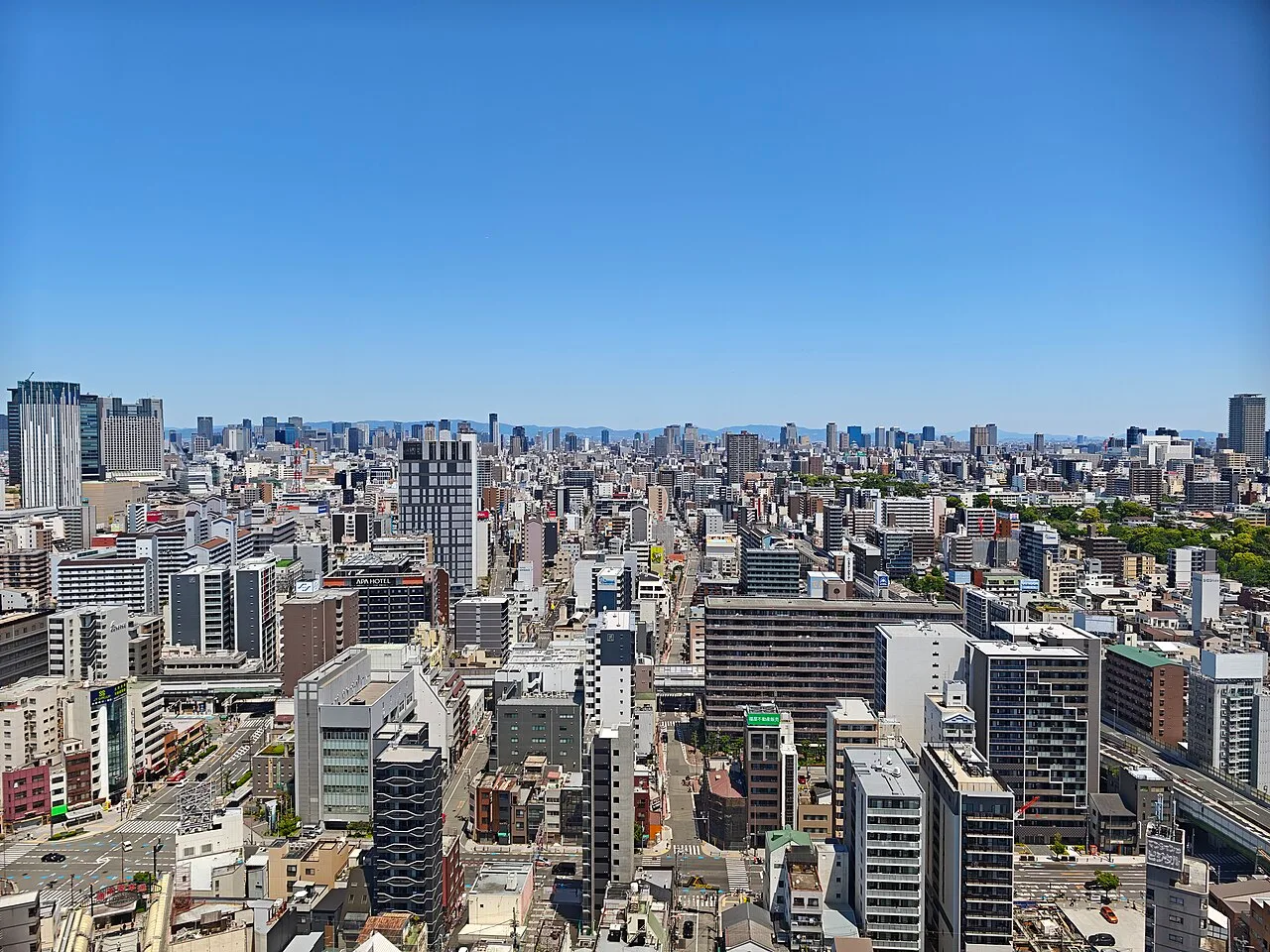
Vision Sensing was founded on December 16, 2008, in Naniwa-ku, Osaka, and moved to its current office in Yoriki-cho, Kita-ku, in March 2009. Its representative director and president is Yasuo Mito. It completed a prototype far-infrared camera in January 2009 and launched its first shutterless far-infrared cameras, the ULVIPS-02 and ULVIPS-03, in September of that year.
Its product range now covers far-infrared, mid-infrared and InGaAs near-infrared cameras, cooled infrared cameras, far-infrared microscopes and cameras built for the space environment. Alongside its own products it takes contract development and prototyping work, supports customers moving to mass production, licenses its shutterless technology and offers calibration and consulting. It also sells image-processing systems for far-infrared and visible-light images and consults on inspection projects.
The company lists night surveillance, fire detection, semiconductor inspection, plant monitoring and drone-mounted cameras among the uses of its products. In April 2015 one of its far-infrared cameras began operating on the UNIFORM satellite, and in May 2020 another began operating on the robotic arm of Japan's Kibo module on the International Space Station. In June 2020, during the pandemic, it launched Fever Catcher 2, a camera for screening body temperature.
Why Nohmi is buying
Nohmi Bosai was founded in 1944, is headquartered in Chiyoda-ku, Tokyo, and is listed on the Prime Market of the Tokyo Stock Exchange. Its president is Masahiro Hasegawa. The company designs, makes, sells, installs and maintains fire prevention equipment and systems, including fire detection.
In the release, Nohmi tied the purchase to its medium- to long-term plan, Vision 2028, which names active mergers and acquisitions as one of its pillars. It pointed to Vision Sensing's 18 years of work in infrared camera development, image processing and consulting, and described the Osaka company's technical ability as among the best in its field.
Fire detection is already one of the uses Vision Sensing lists for its cameras, alongside plant monitoring and night surveillance. Nohmi did not say which products it plans to build with the new technology or when they might reach the market.
A small, self-funded company
Vision Sensing is small. Its company profile lists 40 employees, including seven dispatched staff, working from the Osaka head office and a sales office in Shin-Yokohama, which replaced its Tokyo office in September 2025. Nohmi's release gives its capital as ¥33 million (about $220,000) and its revenue for the year to June 2026 as ¥931 million (about $6 million).
No outside venture funding is reported in any of the sources, and the company appears to have grown on its own revenue. It holds ISO 9001 certification and is a regular member of the Japan Aerospace and Defense Industry Association.
For comparison, Nohmi's own capital is ¥13.32 billion (about $87 million), according to the release.
What comes next
The release does not say whether Vision Sensing will continue to sell cameras and contract development services to outside customers, or whether its work will move mainly into Nohmi's own fire products. Nohmi gave no forecast for the effect of the deal on its earnings.
The purchase is a direct use of the M&A pillar in Nohmi's Vision 2028 plan: rather than develop infrared cameras in-house, the fire protection group is buying a team that has been designing them since 2008, together with its contract development and calibration business.