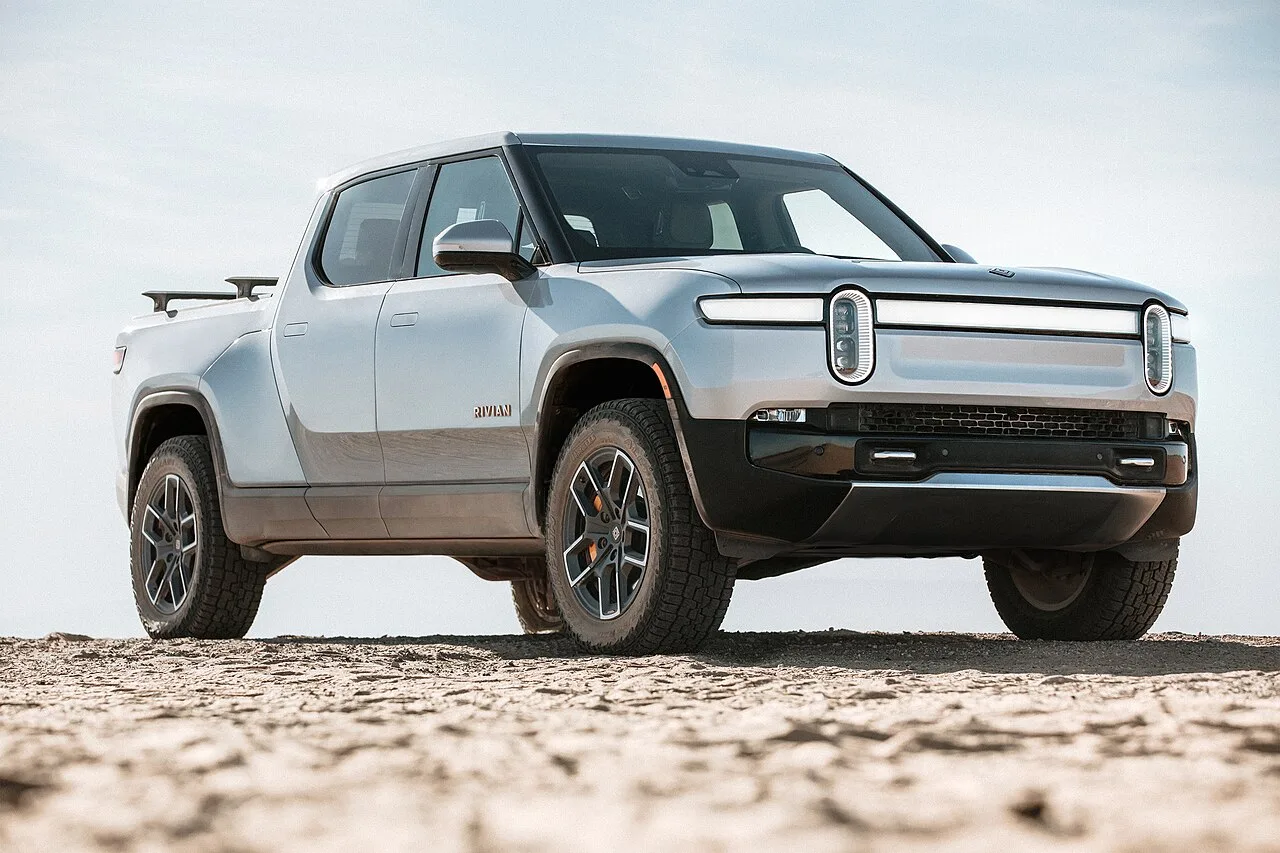
Rivian has acquired Third Dimension AI, a young UK startup whose software turns images and video into 3D environments that engineers can control and change. The electric vehicle maker announced the deal on October 22, 2026.
Financial terms were not disclosed. Third Dimension's leadership and technical staff will join Rivian's autonomy research and engineering teams, led by James Philbin, Rivian's senior vice president of autonomy and AI. RivianTrackr reported that the startup has 15 employees and that most of them are based in the UK, which gives Rivian room to grow its AI hub in London.
Rivian said it will use the technology to speed up synthetic data generation and full-world simulation for its driver assistance and self-driving systems.
What Third Dimension built
Third Dimension was founded in 2024. Its platform takes real-world data and turns it into high-fidelity 3D scenes in which driving situations can be recreated and then varied at scale, according to Rivian.
The company did not start in cars. Chief executive Tolga Kart spent seven years as a senior director on Call of Duty and also worked at EA, Activision and Tesla, PocketGamer.biz reported when the company raised its seed round. Co-founder Piotr Sokolski, the chief technology officer, has a background in self-driving cars, and a third co-founder, Özgun Pelvan, works in machine learning.
The first pitch was a generative AI tool that converts 2D images and video into 3D spaces for games, films and military uses, so that artists and engineers could build worlds inside game engines faster. RivianTrackr reported that Rivian is not entering gaming.
“Third Dimension's team has built impressive technology that turns real-world data into detailed 3D environments.”
Why Rivian is buying
Self-driving systems are trained and tested on large amounts of driving data, but the rare situations that matter most, such as unusual road layouts or near-misses, do not happen often enough on real roads. Simulation lets engineers build those cases on demand. Rivian said Third Dimension's technology will let it test complex driving conditions without waiting for rare real-world edge cases to occur.
Rivian already collects a large amount of data. Philbin told RivianTrackr that the company receives more than 400,000 driving sequences a day from R1T, R1S and R2 vehicles and delivery vans whose owners have turned on external camera sharing. The data is aggregated and anonymised. Turning those clips into editable 3D worlds is meant to expand what Rivian calls its physical and virtual data flywheel.
"Third Dimension's team has built impressive technology that turns real-world data into detailed 3D environments," Philbin said in the announcement. Kart said joining Rivian allows the team to deploy its simulation technology at scale.
"Simulation is central to how we train and validate our autonomous driving systems," Philbin said in Rivian's announcement. The company bought the business as Third Dimension AI, Inc.
The funding
Third Dimension raised a $6.9 million seed round in October 2024 led by Felicis, with Abstract Ventures, MVP, Soma Capital and the Salt Fund also taking part, according to PocketGamer.biz. Kart described the round as $7 million. No later funding was reported.
The size of the team and the seed round suggest a small deal by Rivian's standards, aimed mainly at people and technology rather than revenue.
Kart and Sokolski stay with the team as it moves into Rivian. Rivian did not say whether Third Dimension's original products for game developers will continue, though RivianTrackr reported that Rivian has no plans to enter gaming and that the technology will be used for its driver assistance and self-driving work.
Rivian's autonomy push
The purchase comes as Rivian works towards driverless versions of its R2 vehicle for Uber's robotaxi network, according to RivianTrackr.
For Rivian, buying a team that already built such a system from images and video is a quicker route than building one from scratch.