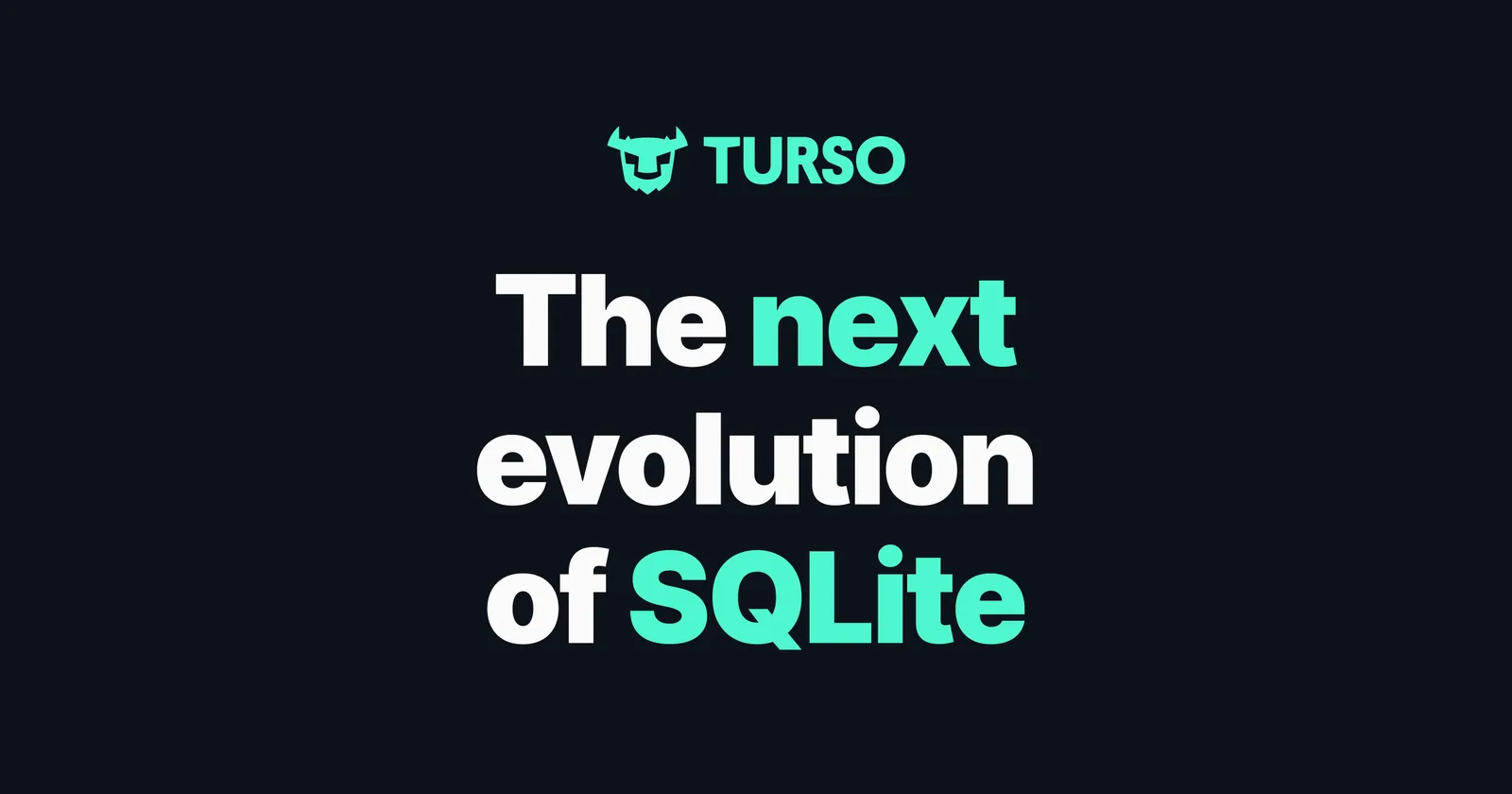
Supabase, the company behind a hosted Postgres database platform for developers, announced on October 2, 2026 that it had agreed to acquire Turso, a database startup that rebuilt SQLite in the Rust programming language. Supabase did not disclose the price or other terms.
The deal was announced together with a $150 million funding round for Supabase, led by GIC, Singapore's sovereign wealth fund. Alphabet's CapitalG, IronArc and SquarePeg also took part, and part of the money will give employees a chance to sell shares.
Turso founder Glauber Costa becomes Supabase's head of agentic services. His co-founder Pekka Enberg and the rest of the Turso team are also joining. Turso will keep running its existing platform, and Supabase chief executive Paul Copplestone said nothing would change for existing users.
What Turso built
Turso rewrote SQLite, the small embedded database used in phones, browsers and many other applications, in Rust. Around it, the company built a cloud platform on which a single server can manage millions of separate databases, loading each one when it is needed and suspending it when idle.
That design suits software that needs a fresh database for every user or every AI agent. Supabase named Superhuman, Sauna.ai, CTO.new and Mastra as companies that use Turso to give each agent its own database on demand, either on Turso Cloud or inside their own cloud accounts.
SiliconANGLE reported that Turso's core features are free and that it earns money from a paid cloud version that handles infrastructure management. The database supports embeddings, and it encrypts each page of a database slightly differently, which SiliconANGLE said makes it harder to attack.
“From the start of our journey, I’ve had as a goal to serve upwards of a billion databases to our customers.”
Why Supabase is buying
Supabase says AI agents are now its fastest-growing source of demand. The company said it adds more than 1 million users and 4 million databases a month, and that about 70% of new databases are created by agents or AI-driven tools. In his announcement, Copplestone wrote that agents were spinning up millions of databases for the prototypes, dashboards and apps they build, and that this demand would outgrow current capacity.
The plan is to use both engines. Supabase will keep building on Postgres for applications that need to scale, while Turso continues its SQLite work for small databases created on demand. Supabase said the two teams would build a new product that brings its developer experience to every agent, with databases that are cheap to create and have a clear route to production. Costa will lead that work.
SiliconANGLE noted that Turso's technology could also support Supabase Compute, a new service that runs hosted sandboxes for long-running AI agents.
The founders and the funding
Costa said that from the start his goal had been to serve upwards of a billion databases to customers. He now leads the agentic infrastructure effort inside Supabase, with Enberg and the rest of the Turso team alongside him.
Neither company disclosed Turso's funding in the announcement. The funding tracker Signalbase lists a $7 million seed round, with Norwest Venture Partners, Mango Capital, Blumberg Capital, First Star Ventures and Essence Venture Capital among the investors, but other trackers give different dates and totals for the company's funding.
Supabase's own growth
Supabase was founded in 2020 and says more than 13 million developers use its platform, which includes more than 100 integrated partner tools. The $150 million round came four months after it raised a $500 million Series F. The company did not disclose a new valuation.
According to the company, the number of databases on Supabase grew 600% year over year as of June. SiliconANGLE described Supabase as a paid version of PostgreSQL with login management, backups and a Cron tool for scheduled tasks, plus support for storing embeddings and an MCP server that lets outside AI agents read and edit records. Derek Zanutto, a general partner at CapitalG, said Supabase had become a critical open infrastructure layer for AI.
Copplestone said the past year had been the fastest growth in the company's history by a wide margin. Supabase described its long-term aim as storing the world's data, and said the Turso deal moves it closer to that goal.