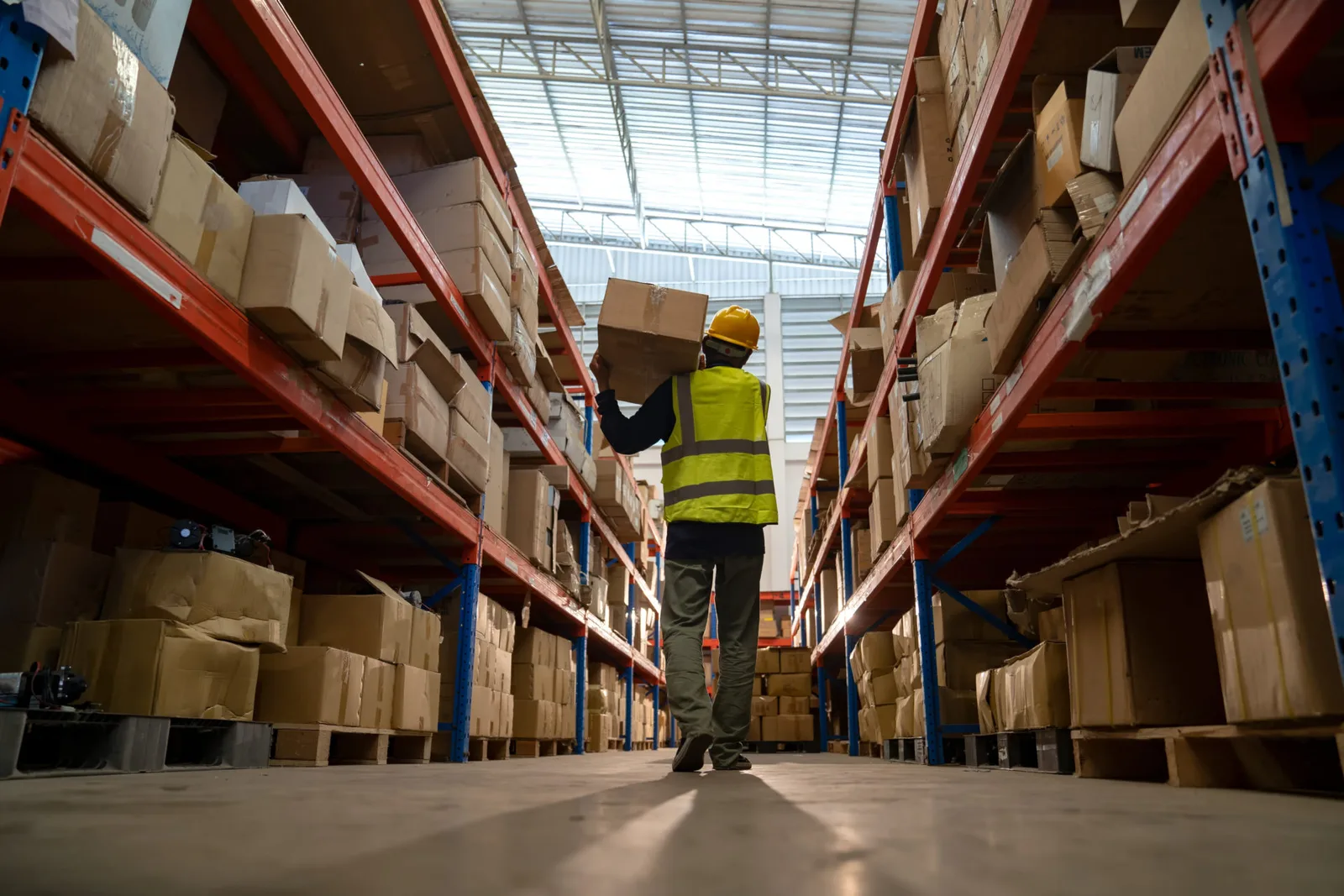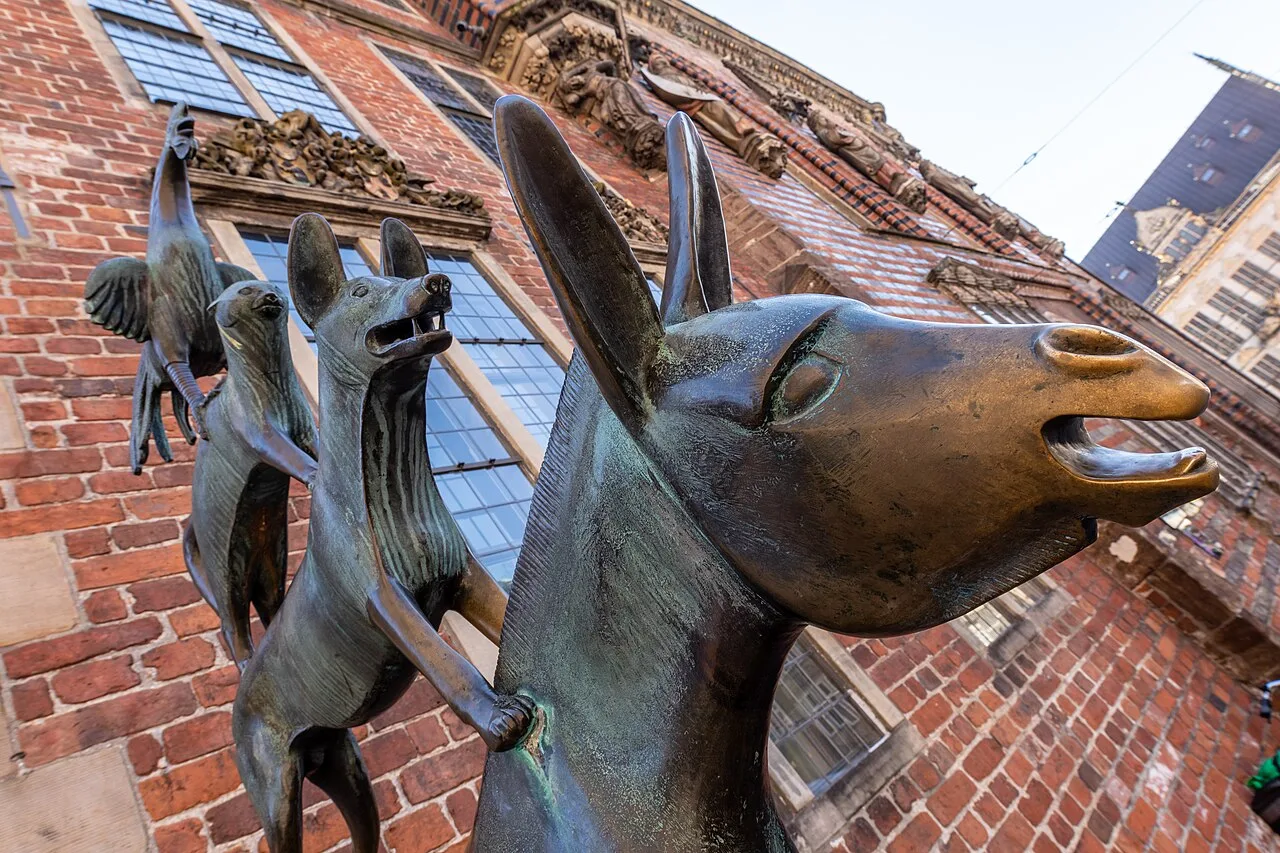
Symbotic, the Nasdaq-listed company that builds AI-driven robotic systems for warehouses, announced on October 13, 2026 that it had acquired cellumation GmbH, an automation company based in Bremen, Germany.
Symbotic bought the whole company. Financial terms were not disclosed.
cellumation will keep its name and its Bremen headquarters and will run as a Symbotic subsidiary. Its two co-founders, chief executive Hendrik Thamer and chief technology officer Claudio Uriarte, are staying to lead the business. The company will continue to sell its product to its own customers and to other integrators, while Symbotic builds it into its own systems.
What cellumation built
Thamer and Uriarte founded cellumation in Bremen in 2017. According to the company, the idea came from a robot football match: instead of a robot that moves, they turned the robot upside down so that its wheels form a surface that moves objects. The founders were supported in the early research stage by an EXIST start-up grant.
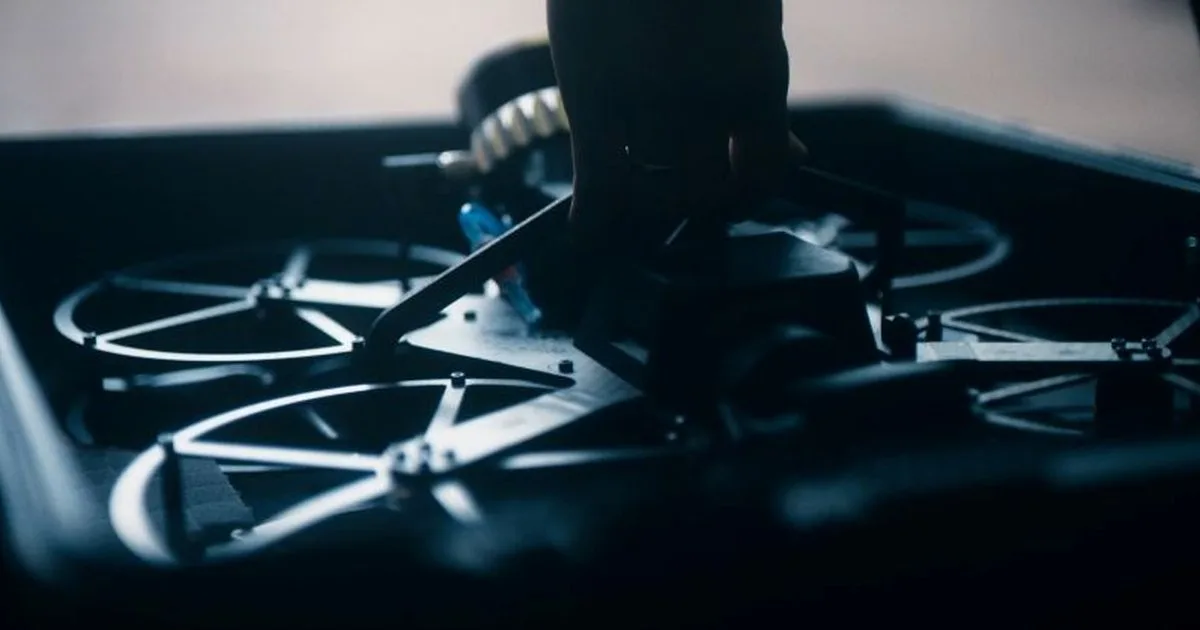
The resulting product is the celluveyor, short for cellular conveyor. It is made of modular hexagonal cells, each fitted with omnidirectional wheels that can be controlled individually. Because every cell can push an item in any direction, the system decides where products should go while it moves them, rather than carrying them along a fixed line to a separate sorter.
cellumation says more than 300 of its systems are installed worldwide for postal and parcel operators, manufacturers and e-commerce companies. It has more than 70 employees and a subsidiary in Houston, Texas.
“From the beginning, our vision has been to create a completely new category of material flow technology,”
Why Symbotic is buying
Symbotic said replacing traditional conveyor-based sorting with a software-controlled surface should let it move more goods, handle a wider range of products and use a fraction of the floor space that conventional conveyors need. It plans to use the celluveyor to simplify the design of the robotic cells that handle goods coming into and leaving its customers' warehouses, freeing space for storage and possibly cutting equipment costs.
Chairman and chief executive Rick Cohen said the deal follows Symbotic's recent purchases of ARMS Innovations and Fox Robotics, and adds another standalone product that will be sold directly and through other integrators as well as inside Symbotic systems.
The deal also gives Symbotic a stronger base in Europe, where cellumation has a record of deployments, existing customer relationships and a local leadership team.
The founders and their backers
In a statement published by the German trade magazine Logistik Heute, Thamer said the founders' goal had always been for every parcel delivered worldwide to touch a celluveyor cell on its way, and that Symbotic's resources brought that closer. He said the team and the brand would stay as they are.
The founders thanked a local investor network that includes D2D4 GmbH, C. Melchers GmbH & Co. KG and Sparkasse Bremen, as well as long-standing investors in Spain and Germany whom they did not name. RTC Treuhand and the law firm Ahlers & Vogel advised cellumation on the sale.
Neither side disclosed how much cellumation had raised over its nine years or what it earned.
What happens to customers
cellumation said it will keep serving its global customer base and that the celluveyor will remain available to customers and integrators around the world. Symbotic described the deal as an investment in both the technology and the team that develops it.
For Symbotic, whose largest customers include big retail, wholesale, food and medical supply distributors, the purchase is a bet that the way parcels and cases are sorted inside a warehouse can be handled by software as much as by mechanical conveyors.
cellumation's website records that the company passed 50 employees on its way to its current size of more than 70. Symbotic did not say whether it plans to expand the Bremen team or move any production.