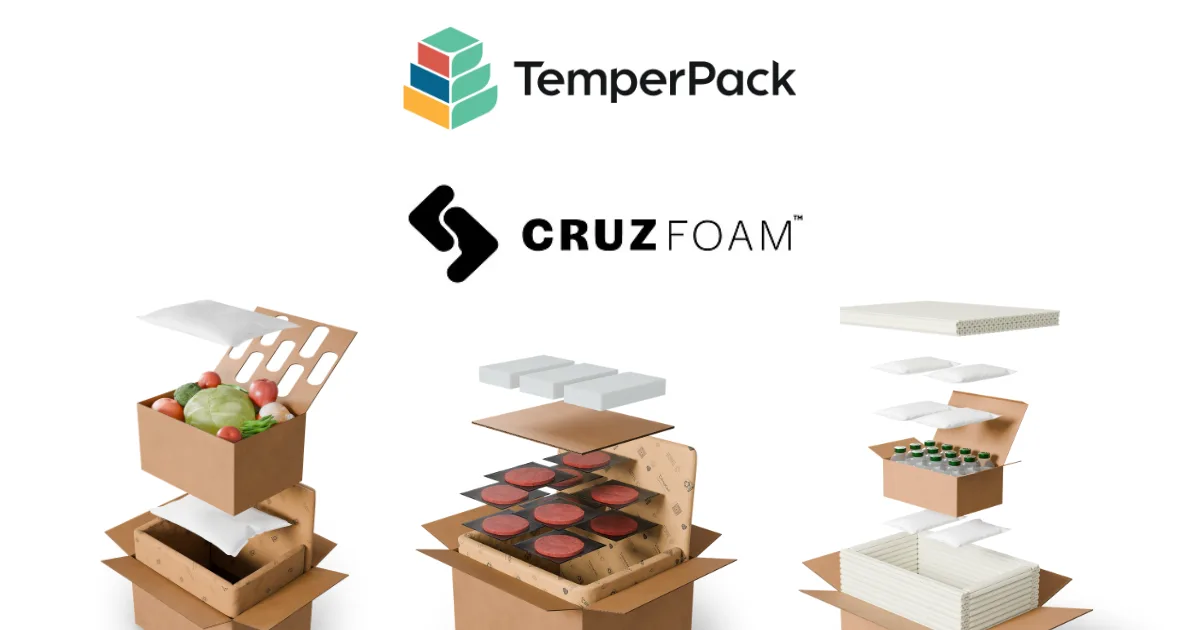
TemperPack, a sustainable packaging maker focused on shipping temperature-sensitive goods, has acquired the intellectual property portfolio of Cruz Foam, a California startup that developed bio-based alternatives to single-use plastic foam. The deal was reported on October 13, 2026.
The portfolio covers 23 patents and patent applications across several jurisdictions. TemperPack bought the assets through an assignment for the benefit of creditors, a process used to wind up a company and sell its assets to pay what it owes. No price was disclosed.
Cruz Foam is winding down its operations, according to the announcement of the deal.
What Cruz Foam built
Cruz Foam set out to replace expanded polystyrene and other petroleum-based packaging foams with a material made from food waste. Its main ingredient was chitin, a tough, biodegradable substance found in the shells of crabs, shrimp, lobsters and some insects, which piles up as waste outside seafood processing plants.
The company did not plan to manufacture at scale itself. Instead it wanted to license its materials and work with existing makers of packaging foam, and said in 2022 that it was in talks with several of the largest. It also planned to move into cold-chain shipping and primary packaging for consumer goods.
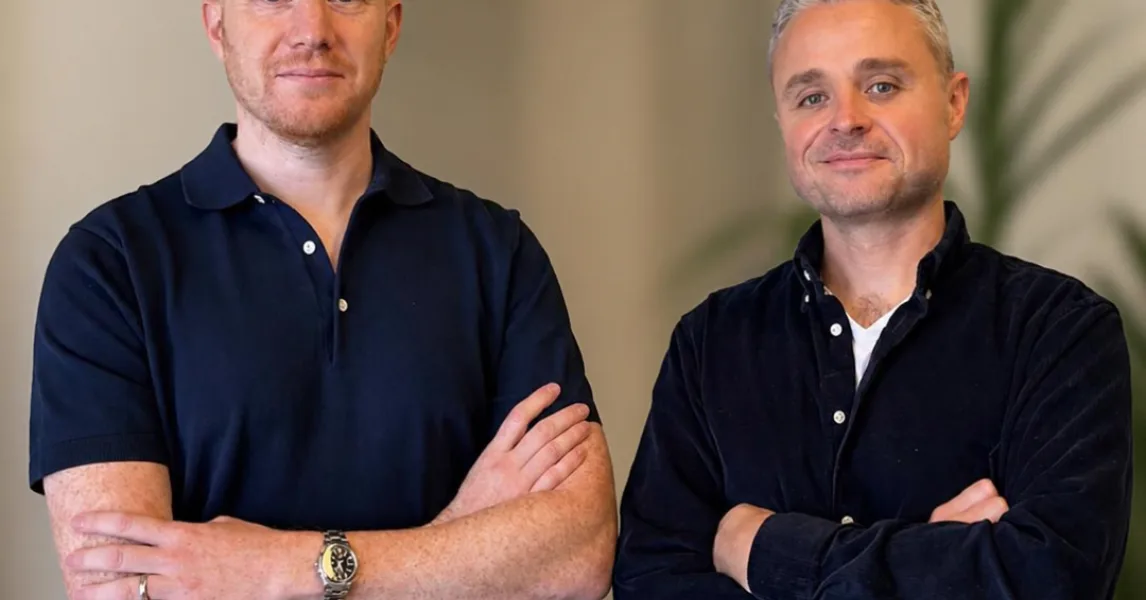
Co-founder and chief executive John Felts said the company was proud of the technologies it created, which offered high-performance alternatives to traditional plastics, and was pleased the intellectual property had found a home with a company it knew and admired.
“Cruz Foam is incredibly proud of the breakthrough technologies we created, offering high-performance alternatives to traditional plastics.”
The founders and the funding
In October 2022 Cruz Foam raised an $18 million Series A led by Helena, a company that describes itself as working on social problems. Felts said at the time that the money would let Cruz Foam speed up and scale the commercialisation of its circular materials, with most of it going towards scaling production with industry partners.
The company also said in 2022 that it would convert to a benefit corporation and report each year on its progress towards its public benefit goals.
Neither TemperPack nor Cruz Foam said how much the startup had raised in total or what creditors and shareholders would receive from the sale. Its 2022 plan had rested on existing foam makers producing its material on their own lines, rather than Cruz Foam building factories of its own.
Why TemperPack is buying
TemperPack was founded in 2015 and makes alternatives to plastic packaging for shipping food, nutrition products and medicines. It says its products have protected more than 300 million shipments for customers in the life sciences and what it calls the food-is-health market, and it is a certified B Corporation.
The company plans to use Cruz Foam's patents in developing cold-chain packaging for life sciences, healthy food and e-commerce. It says it combines materials science, packaging design and process engineering to replace legacy plastics while still meeting the performance requirements of temperature-sensitive shipments.
TemperPack said Cruz Foam's approach to bio-based alternatives to single-use plastic packaging had been a valuable addition to the industry and that it was sad to see the company go.
What happens to the technology
TemperPack said its goal is to use the Cruz Foam patents to support its development of scalable, smart, sustainable and science-based cold-chain products for life sciences and healthy food across e-commerce. It did not say whether any Cruz Foam staff would join, or when products based on the technology might reach customers.
Felts said that although the journey for Cruz Foam had come to an end, the team was pleased its intellectual property had found a home with TemperPack. The Cruz Foam website now shows TemperPack's packaging lines and carries news of the purchase.
When the company itself could not continue, its patents were the part a sustainable packaging competitor was prepared to buy. TemperPack, which already sells plastic-free shippers for pharmacy, biotech and food customers, now owns the rights to a chitin-based foam it did not have to research from scratch.