Agilent Technologies, the California maker of laboratory instruments and diagnostics, said on October 13, 2026 that it had agreed to acquire Proscia, a Philadelphia company that builds software for digital pathology. Agilent will pay $240 million in cash when the deal closes and up to a further $30 million if Proscia hits performance milestones after the merger, taking the possible total to $270 million.
Agilent expects to complete the purchase early in its 2027 fiscal year, which starts on November 1. Once the deal closes, Proscia will become part of Agilent's Life Sciences and Diagnostics Markets Group and will form the base of a new product line inside its pathology business.
Proscia co-founder David West said the team expects to keep developing the business inside Agilent. Agilent described Proscia as a high-growth, high-margin software business and did not say whether any jobs would change.
What Proscia built
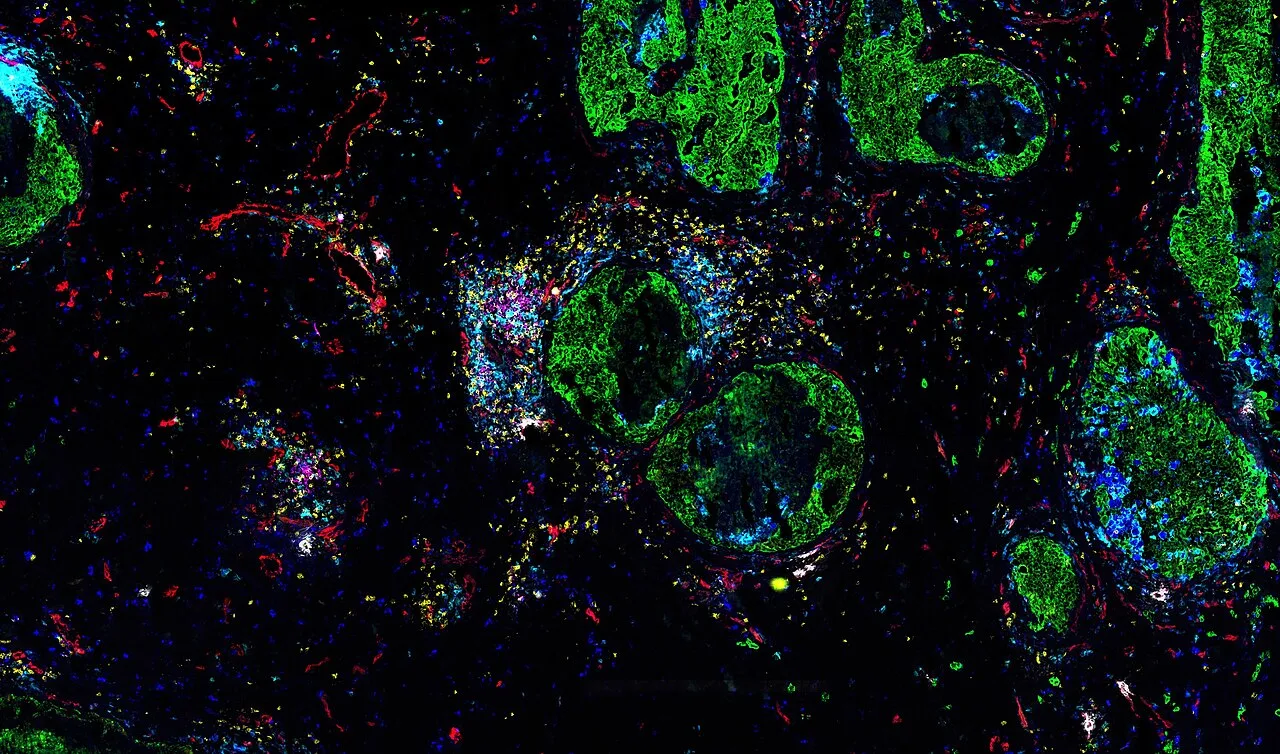
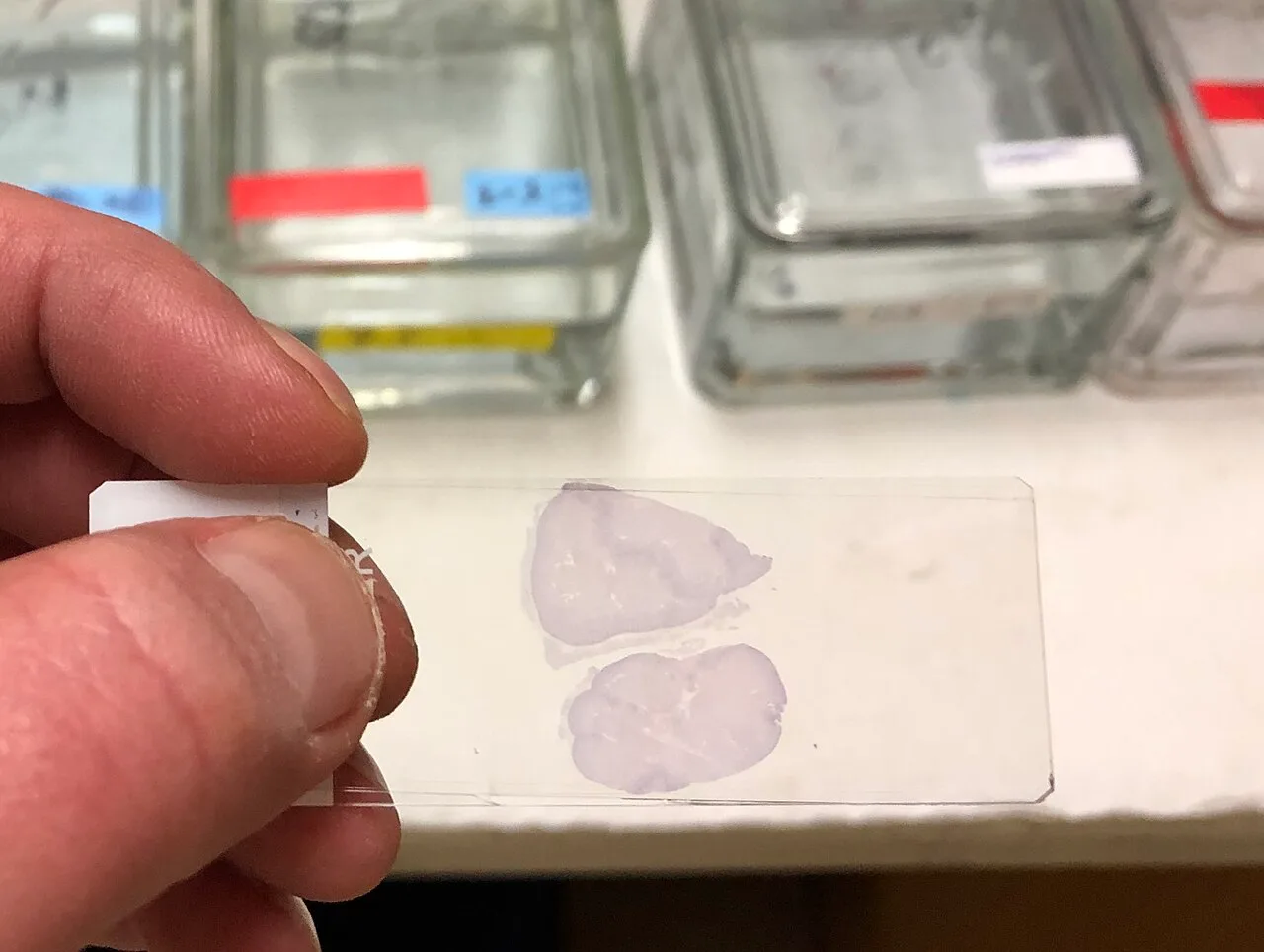
Proscia's main product is Concentriq, a platform that sits at the centre of a digital pathology lab. It links slide scanners, laboratory information systems and other parts of the workflow, so that pathologists can review high-resolution images of tissue on screen instead of under a microscope. The image files can run to 20 gigabytes each, and the company uses artificial intelligence to flag irregularities that may point to cancer and other diseases. Its earlier products included DermAI, a tool for skin cancer detection.
The platform holds FDA 510(k) clearance for primary diagnosis. Drugmakers also use it to analyse tissue from clinical trials and to study how patients respond to treatment. Proscia says it serves more than 4,000 laboratories, hospitals and clinics in the United States and Europe, along with 16 of the 20 largest pharmaceutical companies. Its revenue over the past 12 months was more than $18 million, and it employs more than 100 people.
Early users included the federal Joint Pathology Center, the University of Pennsylvania and Johns Hopkins.
“Digital pathology is quickly becoming the foundation for pathology data generation, analysis, and application across biopharmaceutical research, clinical development, and diagnostics.”
The founders and the funding
David West, Nathan Buchbinder and Coleman Stavish started Proscia in 2014 while they were still students. West and Stavish had been classmates at St. Joseph's Prep in Philadelphia; West and Buchbinder later studied at Johns Hopkins and Stavish at the University of Pittsburgh. Moving the company to Philadelphia was a homecoming for two of them.
Robin Hood Ventures, a Philadelphia angel group, and the state-backed Ben Franklin Technology Partners were early investors. Robin Hood executive director Ellen Weber told The Philadelphia Inquirer that the founders were barely out of school when she met them in 2016, and called the sale good for the city.
In total Proscia raised about $130 million over its first decade, including $50 million in 2025 from a group led by New York investor Insight Partners. At $240 million upfront, the deal is worth less than twice the capital invested, although the earn-out could raise that.
Why Agilent is buying
The two companies already knew each other well. They signed a multi-year distribution agreement in September 2022 to sell a combined digital pathology system, and Agilent had earlier signed a co-promotion deal with Visiopharm in 2020. Buying Proscia moves Agilent from reselling software to owning it.
Agilent chief executive Padraig McDonnell said digital pathology was becoming the core of how pathology data is produced and used across drug research, clinical development and diagnostics. Agilent also pointed to the case data Proscia has built up, which it believes can make its own diagnostics business more valuable to doctors and hospitals. BioSpectrum, citing Agilent, put the pathology market at about $5 billion.
Analysts at Evercore ISI called the purchase a small deal in the overall scheme of things, but said Proscia fits Agilent well. They expect Agilent to start selling Proscia's software to customers of its Dako pathology business straight after closing, and estimated that Proscia is growing at more than 20% a year.
A race for digital pathology
The deal comes months after Roche agreed in May 2026 to buy PathAI, another AI pathology company, for up to $1.05 billion. Evercore said Agilent had got the rights to play in the market at a lower price point than its Swiss rival.
Large diagnostics groups have been moving to own the software layer as hospitals digitise slides and drugmakers lean on AI to read tissue samples in trials. For Proscia's founders, the sale caps more than a decade as one of Philadelphia's better-known health software startups. West wrote that the case for digital pathology is now clear in a way it was not when the company began.