Amyris, the Emeryville, California, biomanufacturing company, said on November 12, 2026 that it had agreed to acquire Oobli, a California startup that produces sweet proteins by fermentation for food and drink makers trying to cut sugar.
Terms were not disclosed. Amyris said it expects the deal to close in the coming weeks, and that Oobli's existing customer commitments and brand partnerships would be honoured without interruption.
Oobli's products will stay with its current contract manufacturer for now. Amyris chief executive Kathy Fortmann told AgFunderNews there were no immediate plans to move production to Amyris' plant in Brazil, and that the two companies would decide after an initial meeting at Amyris' headquarters which Oobli employees would join Amyris. Neither company said how many people work at Oobli.
What Oobli makes
Oobli sells three sweet proteins under names taken from the fruits they come from: Oubli Fruit Sweet Protein (brazzein), Serendipity Berry Sweet Protein (monellin) and Katemfe Fruit Sweet Protein (thaumatin). The proteins occur naturally in fruits and berries that grow near the equator. According to Amyris, they bind directly to the tongue's sweet taste receptors, are many times sweeter than sugar, and are broken down by the body as protein, so they do not cause blood sugar spikes.
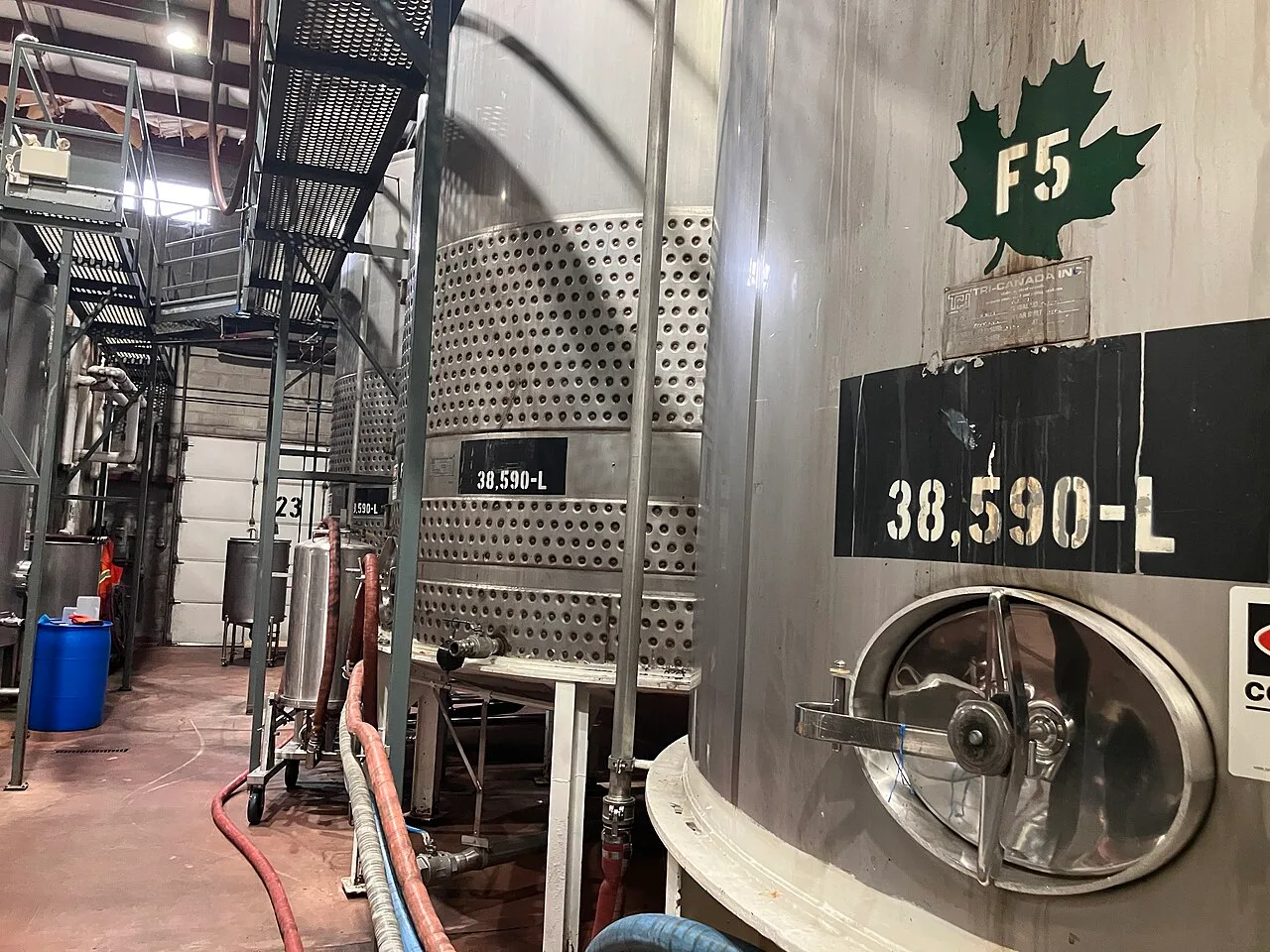
Green Queen reported that Oobli inserts the DNA sequence for each protein into Komagataella phaffii, a yeast long used in food production, grows it in fermentation tanks, and then filters and purifies the protein. Oobli says its proteins are non-GMO.
On regulation, the Amyris release says the portfolio holds FDA GRAS status as an ingredient and is FEMA GRAS-affirmed as a natural flavour. Trade coverage was more specific: AgFunderNews and Green Queen reported that brazzein and monellin have FDA no-questions letters as sweeteners, while a letter for thaumatin was still awaited.
Oobli sells chocolate under its own brand, but AgFunderNews described that as mainly a showcase. Its main business is selling ingredients to other companies, with target categories including drinks, sports nutrition, dairy, bakery and confectionery. Green Queen named Ingredion, Grupo Bimbo and Cosun Ingredients as companies working Oobli's proteins into products.
“Sweet proteins are an idea whose time is now.”
From Miraculex to Oobli
The company was founded in 2014 as Miraculex, built around miraculin, a protein that makes sour foods taste sweet, AgFunderNews reported. It later became Joywell Foods and widened its work to several sweet proteins, before renaming itself Oobli in December 2022. Ali Wing is chief executive.
In February 2025 Oobli raised $18 million in a Series B1 round, FoodNavigator reported. Investors included Ingredion Ventures, B37 Ventures, Khosla Ventures, Lever VC, Piva Capital and Sucden Ventures. The money was meant to finish its first set of sweet proteins, seek regulatory approvals in the US and abroad, and widen distribution. At the same time Oobli announced a pilot partnership with Ingredion, a large stevia supplier, after the two companies blended stevia with sweet proteins in a 48-hour product sprint at Oobli's base in Davis, California.
Green Queen put Oobli's total funding at nearly $50 million. No price has been reported for the acquisition.
Why Amyris is buying
Amyris was founded in 2003 to make an antimalarial compound through biotechnology and now makes specialty molecules for flavours and fragrances, materials, beauty and food. It filed for bankruptcy protection and, according to AgFunderNews, emerged in May 2024 with a new business model. During the restructuring it sold consumer brands including Biossance, Pipette and MenoLabs, Green Queen reported, and it now works business to business, offering strain engineering, process development, manufacturing and technology licensing. Among its current work, it produces the stevia sweetener Reb M by precision fermentation under an agreement with Ingredion.
The company recently added a fourth production line at its fermentation plant in Barra Bonita, Brazil. Amyris said Oobli would give it a foothold in protein and peptide ingredients. Fortmann said Oobli's protein expertise, combined with Amyris' strain engineering, manufacturing scale and sales teams, could extend the company into food and drink, personal care, flavours and fragrances and agriculture.
Fortmann told AgFunderNews that what impressed her most was the application work Oobli had done with food makers. Wing said joining Amyris would give Oobli the scale and resources to try to make sweet proteins the global standard for sweetness.
A shrinking field for alternative proteins
The deal comes as food companies look for ways to cut sugar. Green Queen cited Harvard data that Americans eat about 17 teaspoons of sugar a day, CDC figures showing that obesity affects 42% of Americans, and a survey in which 45% of consumers named sugar as the thing they most wanted to cut back on.
It also comes during a period of consolidation. Green Queen counted more than 90 alternative protein companies that had been acquired, merged, gone insolvent or shut down since September 2024. Oobli now joins a company with its own fermentation plant and an existing ingredient business, though Amyris has said Oobli's production will stay with its contract manufacturer for now.