Apani, a Raleigh, North Carolina company that makes a new kind of cotton fibre, said on November 17, 2026 that it had acquired the assets of Keel Labs, the developer of a seaweed-based fibre sold under the Kelsun brand. Apani did not disclose the price or list the assets involved.
The purchase brings two natural-fibre technologies that were developed separately under one owner. Aleks Michaelson, Keel Labs' co-founder and chief executive, is joining Apani's leadership team, where Michaelson will handle business development for both Keel Labs and Apani products.
The deal came about five months after Keel Labs sought bankruptcy protection. FashionUnited reported that the company filed for Chapter 11 in a North Carolina court on June 5, listing estimated assets of $10 million and liabilities of $1 million. Apani's announcement did not mention the bankruptcy.
What Keel Labs built
Keel Labs started in 2017 in a small laboratory in Brooklyn under the name AlgiKnit, according to FashionUnited, which named Tessa Callaghan and Aleksandra Gosiewski as its founders. The aim was to bring fibres made from ocean resources into the fashion industry, which FashionUnited described as a polluting sector.
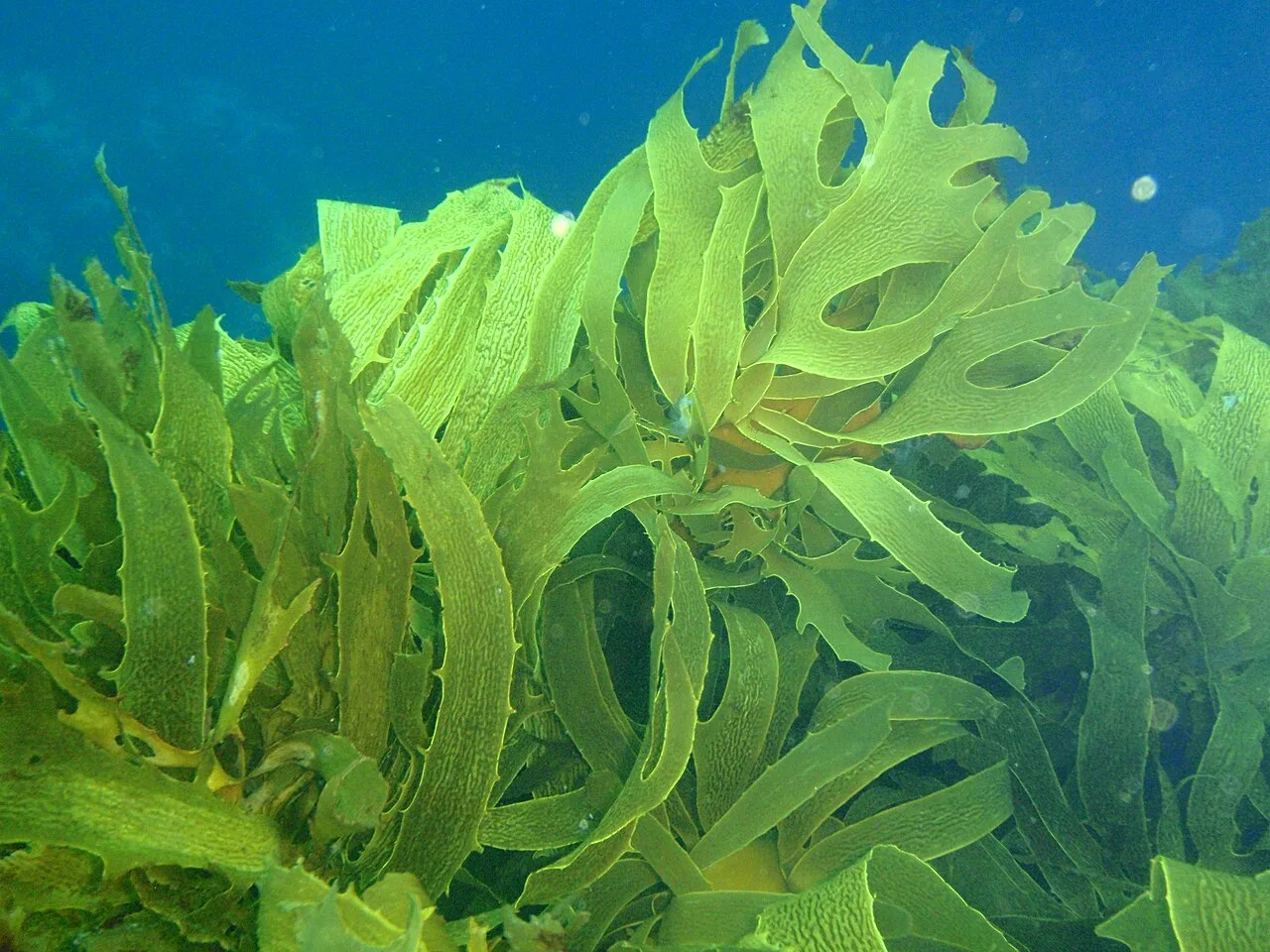
To make Kelsun, the company extracted biopolymers from seaweed, turned them into threads through a chemical process and then spun those threads into fibre. The material can be knitted or woven and blended with other fibres such as cotton or hemp. In 2024 it won the Innovation Project of the Year award at the Textile Exchange Climate & Nature Impact Awards, FashionUnited reported. Keel Labs marketed Kelsun as a plug-and-play material that could slot into existing textile production.
Kelsun launched with brand partners including H&M, Stella McCartney, Outerknown and Vollebak. FashionUnited listed a fine-knit tank top for Stella McCartney in 2023, an Outerknown cotton shirt in 2025 that was one-third Kelsun, and a 2025 capsule collection from H&M and & Other Stories. FashionUnited said the fibre's profile grew quickly after the Covid-19 period.
“We started Apani with the belief that there was an opportunity to evolve natural fibers through advanced, closed-loop chemistry. We looked to cotton first, one of the world's oldest textile fibers, and found a way to make it new.”
Why Apani is buying
Apani was founded in 2022. It dissolves cotton using a combined chemical and mechanical process and re-forms it into a continuous filament that, the company says, matches or beats the performance of virgin cotton while remaining pure cotton cellulose.
Kelsun is made with a similar dissolve-and-form method, and Apani said that technical overlap made the deal a natural fit. Both companies have been trying to improve the performance of natural fibres so they can be used in apparel, industrial uses and other markets where synthetics now dominate.
Scot Land, Apani's co-founder and president, said the company had started with cotton and that Keel Labs had done comparable work with algae, both in the lab and in the market. He said Apani would use the two technologies to offer alternatives to disposable products made with so-called forever chemicals.
Apani's announcement described Keel Labs in the past tense, as a materials company that had explored how resources from the ocean could replace conventional inputs.
The founders and the funding
Keel Labs raised a $13 million Series A round in 2022 from investors including Collaborative Fund, H&M Co:Lab and Horizons Ventures, FashionUnited reported. No other funding rounds were reported.
Michaelson said in the announcement that the two companies shared a goal of getting more out of natural fibres and cutting reliance on synthetics, and that the work of growing markets for next-generation textile materials would continue at Apani.
The announcement did not disclose Apani's own funding or investors.
A hard market for new fibres
Keel Labs' bankruptcy came after several years in which Kelsun gained visibility through brand collaborations. In a 2024 interview with FashionUnited, the company said it had come through the hardest growth phases of scaling up, and garments using the fibre had reached the market in batches of more than 100 units.
FashionUnited said at the time of the filing that Chapter 11 did not necessarily mean Keel Labs would stop operating, but that the case raised questions about how small companies making alternative fibres can scale production while keeping cash flow healthy. Apani did not say when it expects to bring Kelsun back to market.