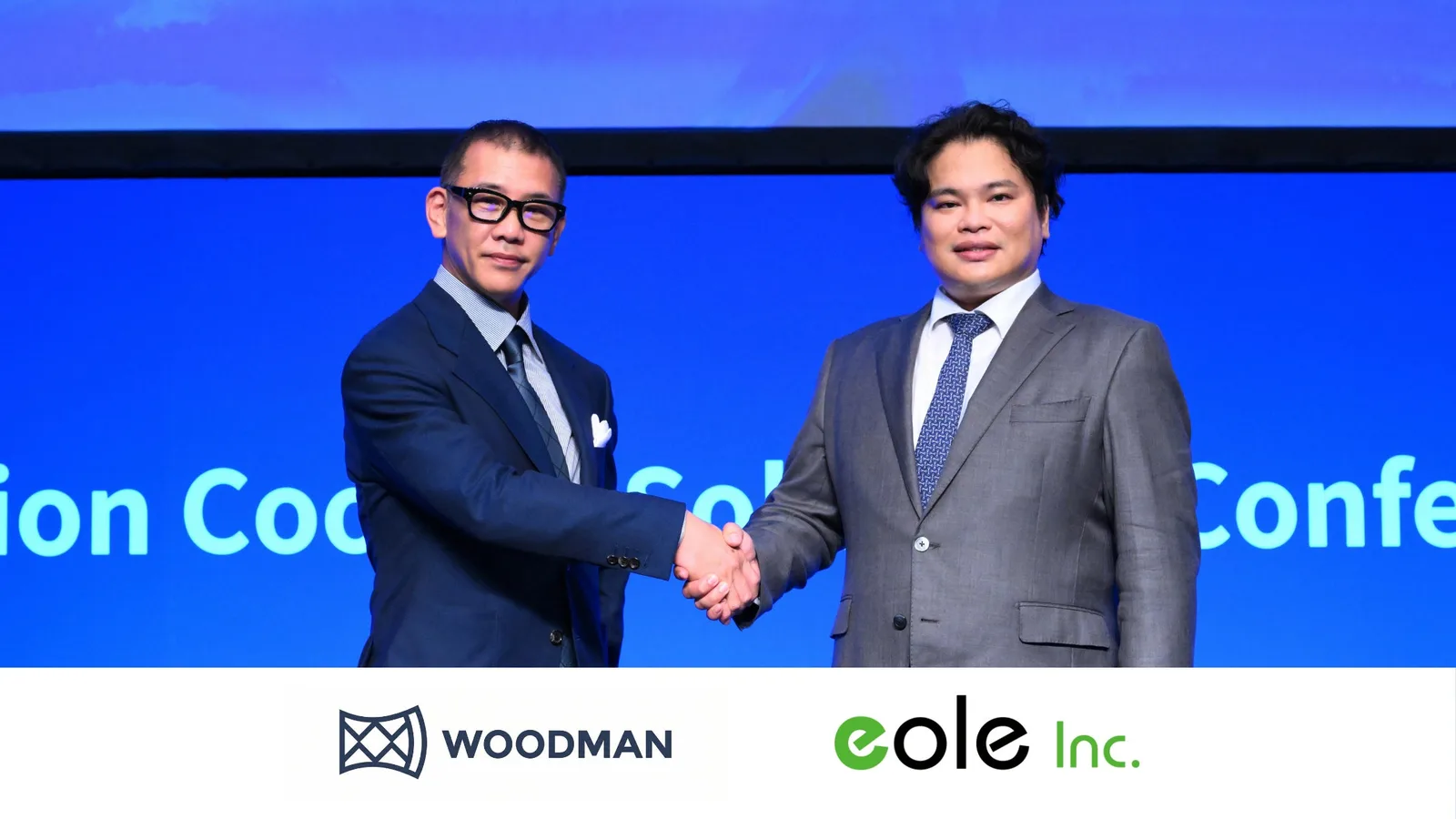
Cognex, the Nasdaq-listed machine vision company, agreed in September 2026 to acquire RealSense, the robotics and computer vision company that Intel spun out as an independent business in July 2025. Calcalist reported the deal on September 22 and put its total value at about $600 million.
Cognex will pay about $500 million in cash, funded entirely from its existing balance sheet. On top of that it is setting aside a three-year cash retention programme worth $56.5 million at target for RealSense employees, subject to performance modifiers, and restricted stock units worth about $50 million. The deal is expected to close in the fourth quarter of 2026, subject to regulatory clearance.
RealSense's staff will stay with the company, and its Israeli operations will become a development centre for Cognex. RealSense's smaller facial authentication unit is not part of the sale and will be spun off into a separate company, led by a team of about 25 former RealSense employees, before the deal closes.
What RealSense built
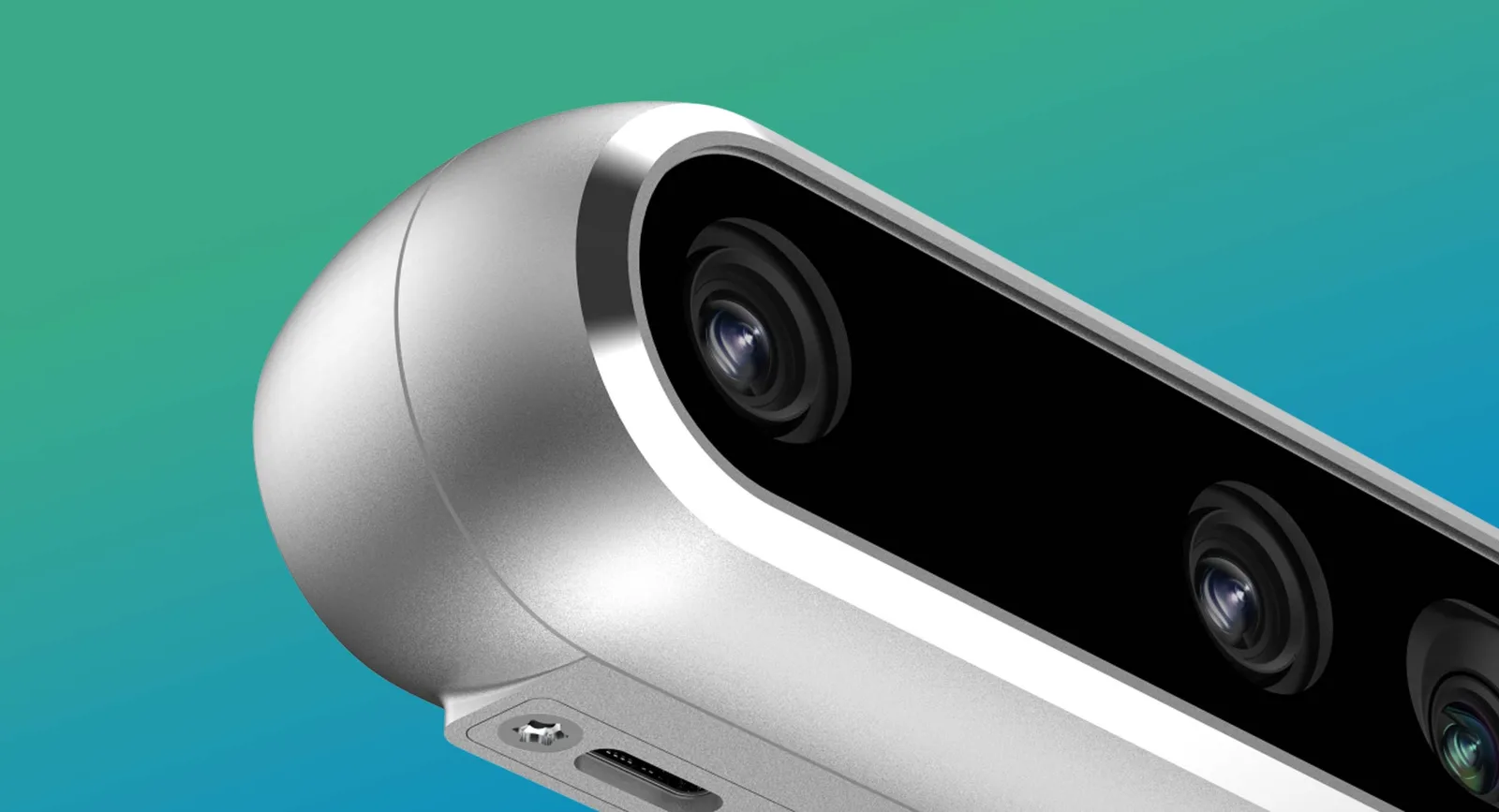
RealSense makes depth cameras and computer vision technology that let robots and autonomous machines see in three dimensions: identifying objects, judging distances, navigating and working more safely on their own. Its products are used in fixed-arm robots guided by perception, autonomous mobile robots, four-legged robots and humanoids. The company says it has more than 4,500 customers worldwide.
The business began in 2014 as a research initiative inside Intel, which bought several companies over the years to build a position in 3D cameras and facial recognition. According to Calcalist, the unit never found a strong commercial role inside the chipmaker. When it was spun out in July 2025, as part of a restructuring under then-CEO Pat Gelsinger, its quarterly sales were about $8 million.
Nadav Orbach, who had run an Intel division with close to 1,000 employees, became chief executive of the independent company. He told Calcalist that there had been debate about whether to keep the operation going at all, and that he had persuaded Gelsinger to let him spin it out instead of shutting it down.
“Our team turned technological excellence and hard work into rapid growth and an acquisition deal within just over a year of independence. This is an achievement for the employees, and it was important to us that their contribution be reflected in their share of the deal's success.”
Fourteen months of independence
On becoming independent, RealSense raised $50 million in a round led by a private equity firm specialising in semiconductors, with MediaTek Innovation Fund, Intel Capital and dormakaba taking part. Calcalist reports that its largest shareholder is now a major Taiwanese investment fund focused on the chip industry, while Intel keeps a 20% stake and one of five board seats. Employees and executives together own tens of percent of the company.
Since the spinout the company has grown its workforce and tripled its revenue. It expects revenue of $80 million to $90 million in 2026, more than 50% above the previous year, and has been profitable for the past two quarters. RealSense now has 180 employees, 135 of them in Israel at its offices in Haifa.
Orbach said most Israeli employees would receive at least NIS 1 million (about $330,000) from the transaction, with many receiving more. He also said the company had not planned to sell and was preparing to raise another round when Cognex approached it about three months before the deal. RealSense turned down the first offer and agreed once the terms were improved.
Why Cognex is buying
Cognex makes vision systems and sensors for identification, measurement and process control in industries such as automotive, electronics and consumer goods. It employs about 3,000 people and has annual revenue of about $1 billion. The RealSense deal is the largest acquisition in its history and its first in Israel.
The company says RealSense gives it exposure to robotic perception, a market Cognex estimates at about $600 million today and expects to grow by more than 25% a year to about $1.6 billion by 2030. Cognex president and CEO Matt Moschner said the combination would let the company offer a broader visual intelligence platform covering industrial identification, 2D and 3D machine vision measurement, 3D depth perception and robot navigation.
Both companies framed the deal around the growth of robotic perception rather than the wider excitement about physical AI. Orbach told Calcalist that the multiple might not be high, but that the company had results to show, and that Cognex's plans and the fit between the two businesses had convinced RealSense's board.
A large exit for an unusual startup
RealSense is not a typical venture-backed startup: its technology was developed over more than a decade inside one of the world's largest chipmakers. But as an independent company it raised outside capital, built its own sales and marketing, and, by Orbach's account, worked closely with Nvidia in a way that would not have been possible inside Intel.
The outcome is a sizeable return for the investors in the $50 million round, for Intel through its remaining stake, and for employees, who hold a significant share of the company. It also adds to a run of large Israeli technology exits in 2026 as global buyers look for robotics and perception expertise.