Instacart said on July 16, 2026, that it had acquired Arpalus, an Israeli computer vision company whose software turns a short video of a supermarket shelf into an up-to-date record of what is on it. The deal is Instacart's first acquisition of an Israeli company, according to Calcalist.
Instacart, which trades on Nasdaq as Maplebear, did not disclose the price. Calcalist estimated the deal at tens of millions of dollars; neither company confirmed that figure.
Instacart said it will use Arpalus to feed more accurate shelf data into its models, improving fulfilment accuracy and product availability for online orders, and to strengthen in-store products such as its Caper smart carts and its Store View tool for retailers.
What Arpalus built
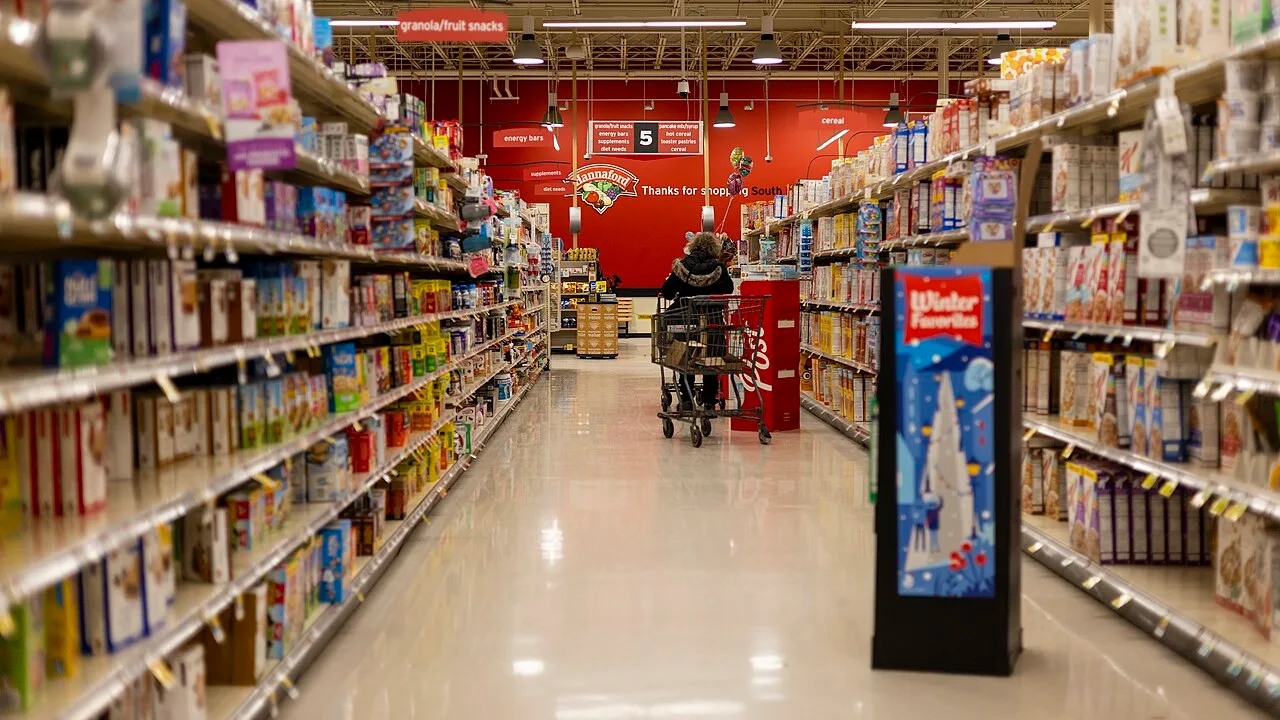
Arpalus's software runs on an ordinary smartphone or any camera-equipped device. A worker sweeps the camera along a shelf, and the system identifies the individual products in view; the company says it does so with more than 95% accuracy on average. The app can prompt the user to change the angle or distance of the camera to get a usable scan.
The models were built for the conditions inside grocery stores, including weak Wi-Fi, uneven lighting and shelves packed with similar-looking products. The technology is protected by patents in the US and Europe, Instacart said, and it also works with Caper carts fitted with external cameras.
Arpalus was founded in 2019 by chief executive Ofir Zilberberg, who previously worked for the Israeli Air Force and Elbit Systems, and Dr. Rotem Bennet, a computer vision specialist and former Microsoft Research employee who has since left the company. It came out of the Nielsen Innovate incubator and is based in Netanya, with about 20 employees, Calcalist reported.
“Joining Instacart is a transformative milestone.”
Why Instacart is buying
Supermarket News noted that undetected out-of-stocks and catalogue gaps lead to substitutions, cancelled items and lost customer trust in online grocery orders, because orders are placed against inventory data that may not match the shelf.
Instacart plans to have its roughly 600,000 shoppers scan shelves through the app they already use while they pick orders, producing continuously updated availability data. Instacart said this would also give shoppers new ways to earn.
The company said the data would improve inventory accuracy for retailers and brands and support its Marketplace and Storefront Pro products. Store View, Instacart's computer vision product for retailers, is being piloted by McKeever's and Sprouts, among others. Caper carts operate in more than 100 cities.
Instacart framed the deal as part of what it calls its Physical AI strategy, which aims to connect its online and in-store operations. David McIntosh, Instacart's chief connected stores officer, said the company believes the future of grocery retail is a unified experience powered by Instacart's intelligence.
The founders and the funding
Arpalus raised about $5 million since its founding, according to Calcalist. Its backers included the Israel Innovation Authority, True Global Ventures, Duo Partners Fund, Techstars, Noam Lanir, the American Playhouse fund and private investors from the retail industry.
Zilberberg called joining Instacart a transformative milestone for the company.
What changes for retailers and shoppers
For retailers, Instacart said the deal should improve shelf availability and accuracy at store level. Consumers ordering on the Instacart Marketplace, or on retailers' own websites powered by Storefront Pro, should see fewer missing items, and Caper carts with external cameras will update shelf inventory as they move through aisles.
Instacart said the shelf data would be used in line with applicable laws, including privacy laws, and with its contractual obligations. It did not say when shoppers would start scanning shelves or whether Arpalus's existing customers would keep their service.
Instacart's push into retail technology
Instacart, founded in 2012 and based in San Francisco, went public in 2023 and had a market value of about $11 billion, Calcalist reported. The company says it has handled more than 1.6 billion lifetime orders and has real-time inventory data from nearly 100,000 stores, with more than 10 million unique data points a day.
Calcalist described the acquisition as part of Instacart's shift from a grocery delivery marketplace toward a retail technology company built on AI, data and automation. The company connects about 1,800 retail chains in the US and Canada, and its advertising business generates more than $1 billion a year.