Kennedy Lewis Investment Management, a New York alternative investment manager, has become the majority shareholder of roadsurfer, the Munich company that rents campervans and motorhomes in Europe and North America. The deal was announced on October 26, 2026.
Neither side disclosed the price or the size of the stake in the announcement. German commercial register documents show Kennedy Lewis holding 66.69% of roadsurfer, Dealroom reported. Venture investor Heartcore Capital was bought out as part of the change in ownership.
Founder and chief executive Markus Dickhardt and the other founders keep their operating roles. Kennedy Lewis said the investment is meant to support roadsurfer's focus on sustainable growth.
What roadsurfer built
roadsurfer was founded in Munich in 2016 by Markus Dickhardt, Dr. Susanne Dickhardt, Jean-Marie Klein and Stephie and Christoph Niemann. It began with 25 Volkswagen camper buses in Munich, Frankfurt and Hamburg, according to a company release marking its tenth anniversary in June 2026.
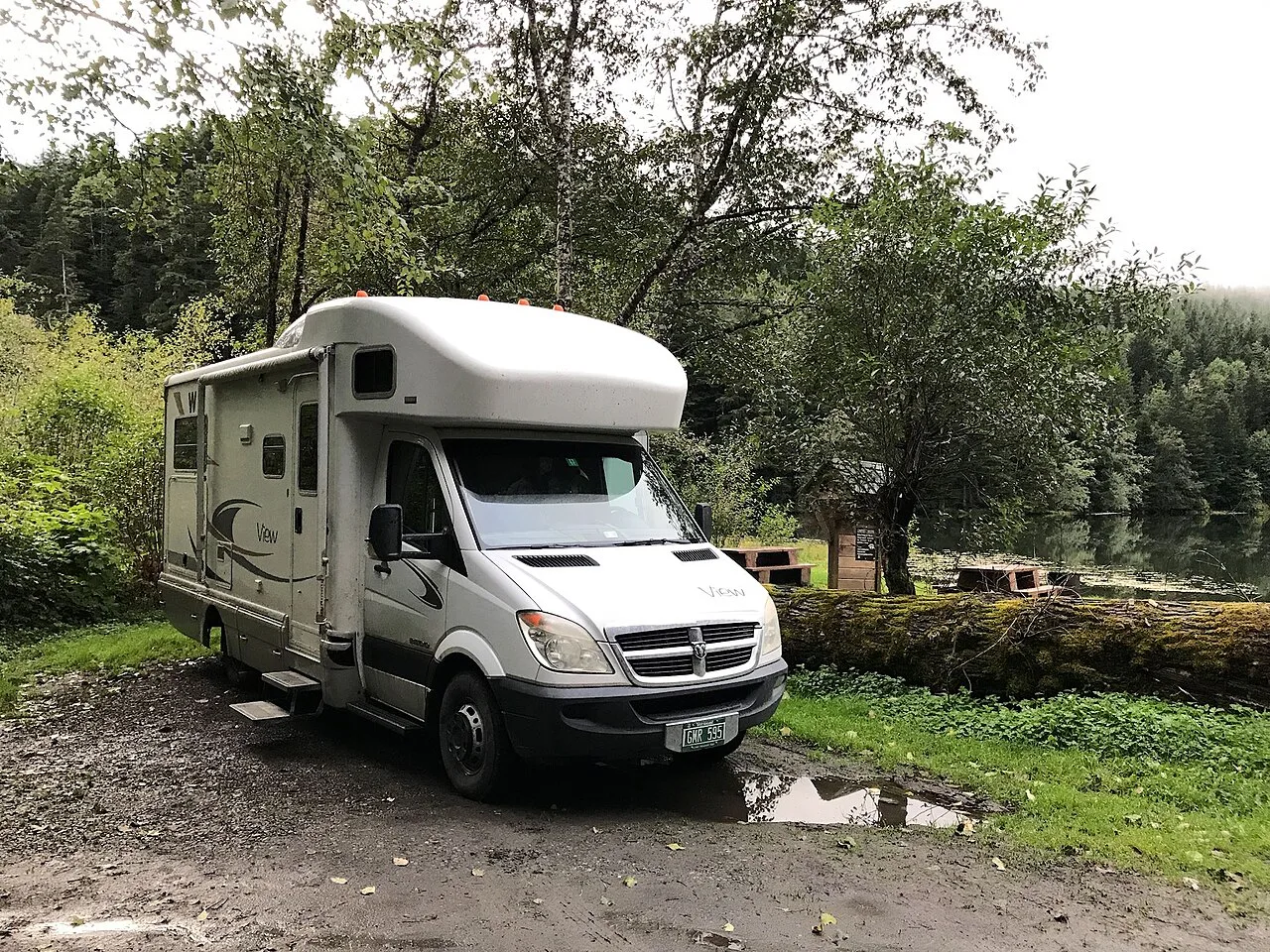
The rental fleet doubled each year until 2022, when it reached about 5,000 vehicles. Today the company runs about 10,000 campervans and motorhomes from roughly 100 rental locations in 16 countries across Europe, the United States and Canada. It entered its first foreign market, France, in 2019, and later expanded to North America.
Besides rentals, roadsurfer sells used camping vehicles, offers a subscription model for longer or seasonal trips, and runs roadsurfer spots, a platform for booking pitches in Germany, Italy, Spain and France. The company said in June that it employs about 1,000 people worldwide and has sent around 420,000 people on camper trips since 2016.
“We are excited to partner with Kennedy Lewis and appreciate their confidence in roadsurfer and the business we have built.”
Why Kennedy Lewis is buying
Kennedy Lewis was founded in 2017 by David Chene and Darren Richman and manages more than $37 billion. It has more than 150 employees and offices in New York, Miami and Geneva. The firm said it would draw on its experience providing flexible capital to asset-intensive businesses and investing in travel and leisure.
The two companies were not strangers. According to Dealroom, they had been working together since early 2026 through an asset-financing arrangement.
Ludwig Schrittenloher, a managing director at Kennedy Lewis, said roadsurfer had built the leading brand for camper travel and that the firm looked forward to supporting its next phase of growth.
"We are excited to partner with Kennedy Lewis and appreciate their confidence in roadsurfer and the business we have built," Dickhardt said in the release. He told the German press that strategic fit had been the deciding factor and that a US buyer had not been a requirement, Dealroom reported.
The founders and the funding
The deal sharply reduces the founders' ownership. The founders together now hold about 16.61%, or 19.08% including two managers, compared with just over 51% a year earlier, according to the register documents cited by Dealroom.
Dealroom's data shows roadsurfer raised about $64 million before the deal. Venture firm Heartcore Capital, which has now sold its stake, was among its backers.
Most of the money behind the fleet has come from debt. roadsurfer has taken on close to €500 million (about $580 million) to finance its vehicles, Dealroom reported. In 2025 that included €30 million (about $35 million) from Avellinia Capital, an €85 million (about $99 million) asset-backed securities structure with Macquarie, and venture debt from BBVA.
Growth before profit
roadsurfer is not yet profitable. Dickhardt said the company will not make a profit in 2026 and that 2027 is meant to mark the turn toward profitability, according to Dealroom. He did not say clearly whether the new owner would favour further growth or returns and paying down debt.
North America, which roadsurfer entered in 2022, remains its main growth market. In the June release, Dickhardt said bookings there grew about 120% in 2025, and that the company would judge the coming years by quality and efficiency rather than by the speed of expansion. Europe has reached what Dickhardt called a healthy size.
A consolidating camper market
The German campervan rental market has thinned out in recent years. Off, Plugvan and Roadfans filed for insolvency in 2024, Dealroom noted, while rival Indie Campers bought the Just Go and Bunk Campers brands in 2026.
For roadsurfer, a majority owner that specialises in financing asset-heavy businesses gives it a backer for a fleet that depends on large amounts of borrowed money, as it tries to move from rapid expansion to profit.