LeanTaaS, a Santa Clara, California maker of hospital capacity and patient-flow software, has acquired LookDeep Health, a company that uses computer vision to monitor hospital patient rooms. The deal was announced on November 3, 2026, at the Transform Executive Summit, held alongside Becker's CEO + CFO Roundtable.
Terms were not disclosed. Narinder Singh, LookDeep's co-founder and former chief executive, has joined LeanTaaS as senior vice president of ambient intelligence. LookDeep's website now says the company has joined LeanTaaS and presents its products under the new iQueue for Virtual Care name.
What LookDeep built
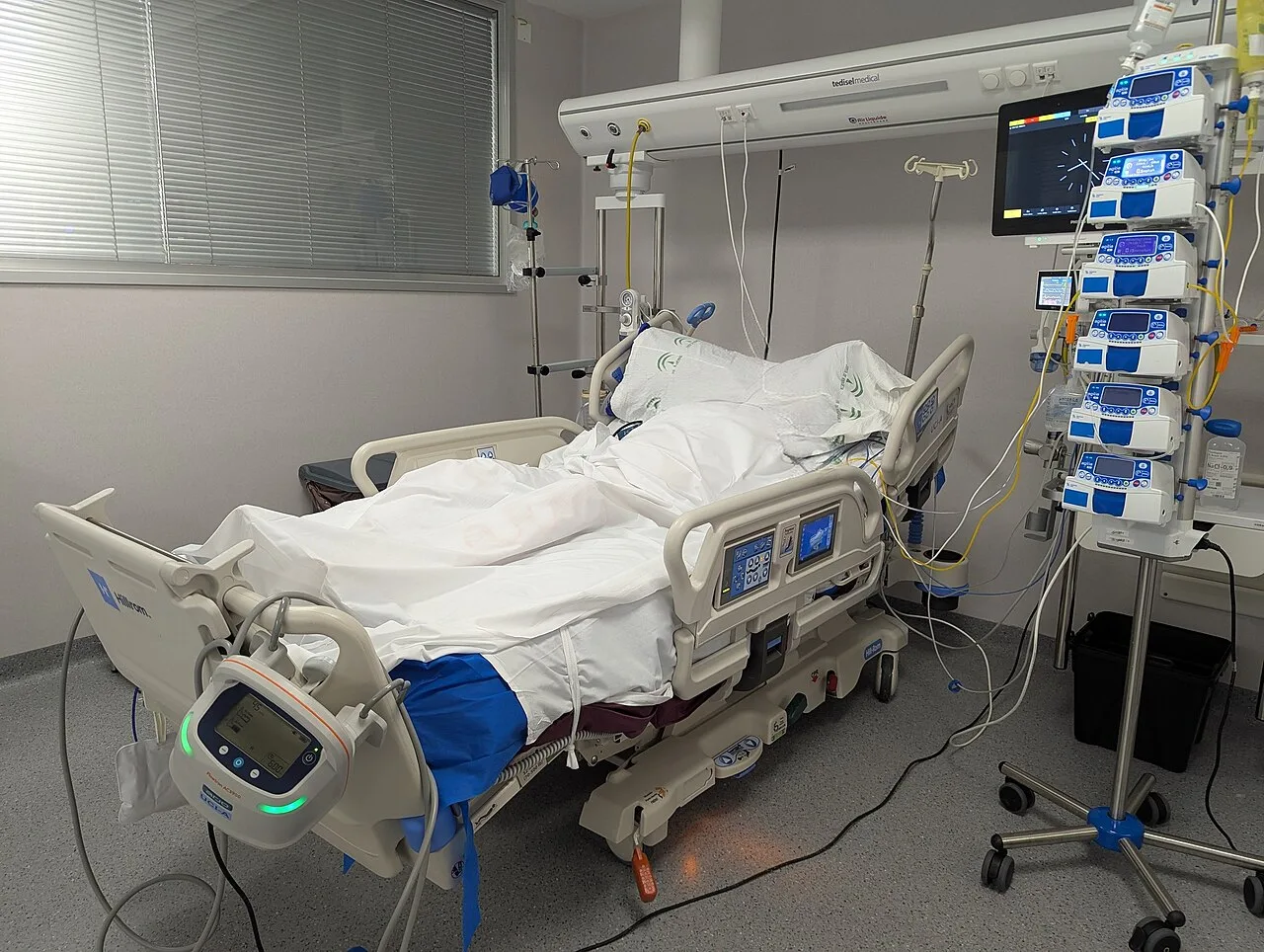
LookDeep's software analyzes video from patient rooms so that hospital staff do not have to watch every room themselves. Under LeanTaaS the product has three parts. Virtual Observation monitors patients continuously, spots attempts to get out of bed, can speak to patients automatically to redirect them and alerts bedside staff only when safety thresholds are crossed. Virtual Nursing lets remote nurses handle admissions, rounding, education and discharge, with their queues ordered by what is happening in each room. Virtual Medicine connects patients with off-site doctors and gives them data on a patient's movement and sleep between visits, HIT Consultant reported.
Hospitals can run it on compatible cameras, smart TVs and other devices already in the room, or install supported hardware. MarketScale noted that LeanTaaS did not name any camera vendors or models.
LookDeep's models were evaluated in peer-reviewed research published in Frontiers in Imaging. According to LookDeep, the study used real-world video from 11 hospitals covering more than 1,000 patient-days. The company's website also says it is SOC 2 certified and mentions a patient-facing AI assistant called Aimee.
Singh argued, according to MarketScale, that clinicians cannot be in every room at every moment and that hospital technology has often added to their workload instead of lightening it.
Why LeanTaaS is buying
LeanTaaS sells iQueue, software that helps hospitals manage capacity, staffing and patient flow. It says its products are used by nearly 200 health systems across more than 1,200 hospitals, centers and clinics.
The company's argument is that electronic health records and other hospital systems capture what happens at the bedside late or not at all, so events such as a fall or an unassisted bed exit are documented after the fact. Cameras can close that gap and also confirm physical facts that matter for capacity planning, such as whether a room is empty and has been cleaned, so it can be assigned to the next patient sooner, according to HIT Consultant. LeanTaaS also presented the system as a cheaper option than assigning a staff member to sit with each high-risk patient.
LeanTaaS said it plans to add ambient intelligence to more of its products for capacity, patient flow and care coordination.
The results being claimed
Citing LookDeep's earlier deployments, LeanTaaS reported fall-rate reductions of more than 70%, twice as much nursing contact with patients, an 80% reduction in medication errors and cost savings of three times compared with traditional virtual sitting services. HIT Consultant said the medication-error figure followed the addition of remote dual-nurse checks for high-risk IV drugs.
MarketScale pointed out that these figures are the company's own, were gathered across different deployments and are not tied to named health systems. It said hospitals considering the product would likely want reference sites and the methods behind the numbers.
A second deal in two months
LookDeep is LeanTaaS's second acquisition in about two months, after its September purchase of Aidin, a care-transition platform that extended iQueue into discharge coordination, Dealroom reported. LeanTaaS earlier bought Hospital IQ. The company is majority owned by Bain Capital and has an office in Charlotte, North Carolina. Dealroom lists LeanTaaS as having raised $239 million.
Neither company disclosed LookDeep's funding, investors or headcount, or what will happen to contracts LookDeep signed with hospitals before the deal.