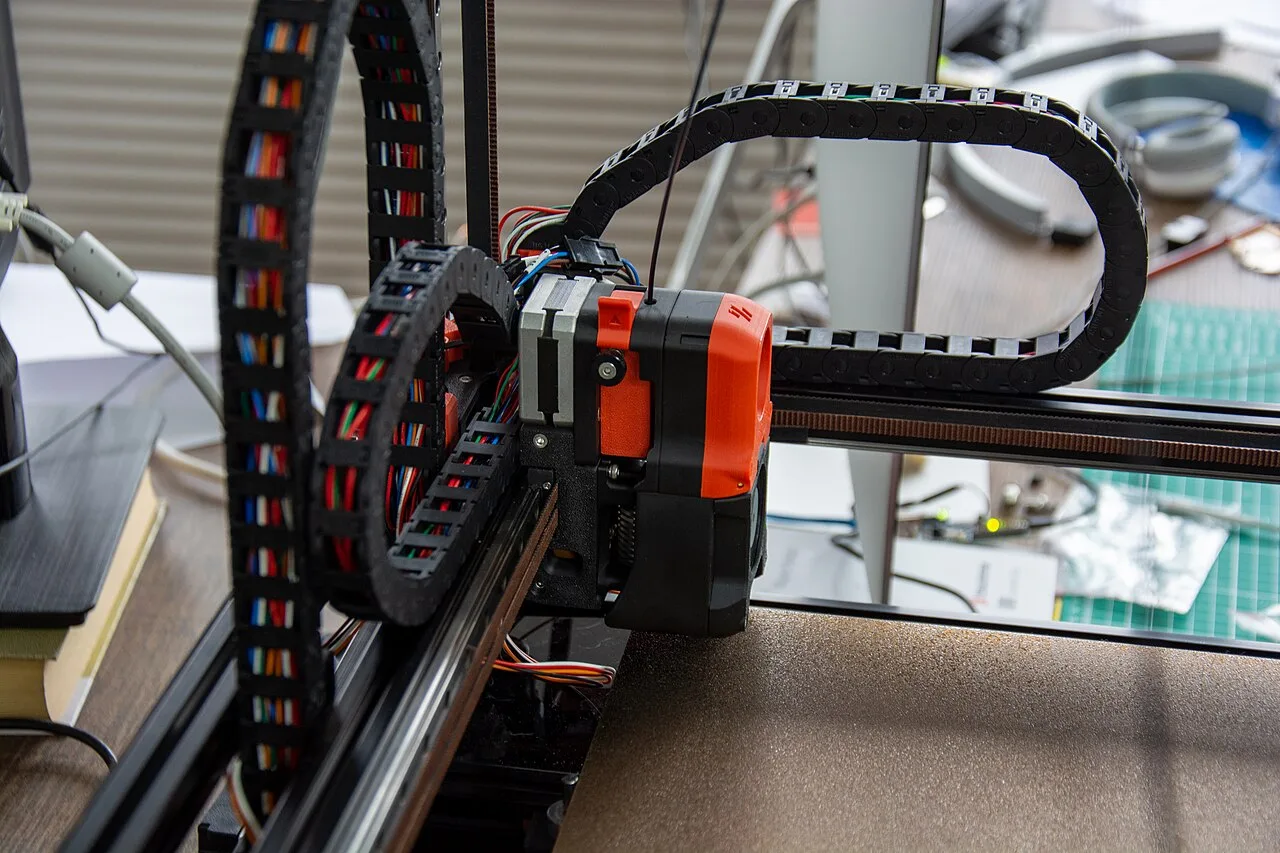
Omni3D, a Polish maker of industrial 3D printers based in Poznań, said on November 16, 2026 that it had acquired Apium 3D Technologies GmbH. Apium is a German company that develops extrusion hardware and processes for printing high-temperature plastics such as PEEK. The trade publication 3D ADEPT reported that Apium is based in Karlsruhe. Neither company disclosed the price or other terms.
Omni3D said it would build Apium's adaptive heating technology and high-temperature print-head designs into its large-format industrial printers. These are led by the OmniPro HT, which has an actively heated 220°C build chamber and a 500°C print head. Product development will focus on Apium's industrial P400 printer and on future high-temperature machines.
Omni3D said it would keep providing technical support, service and material testing for business customers in Europe, North America and Asia-Pacific. The announcement was a paid press release distributed through FinanceWire. 3D ADEPT reported the deal on November 18.
What Apium built
Apium describes itself as an engineering firm specialising in high-temperature fused-filament 3D printing and in processing high-performance thermoplastics. It makes industrial printers for parts that need mechanical strength and heat resistance. 3D ADEPT wrote that turning PEEK or PEKK into repeatable, working parts depends above all on controlling heat, and that this is what Omni3D is buying.
According to the release, the combined system controls temperature gradients while the plastic crystallises. That is meant to reduce internal stress, uneven strength between layers and mismatched thermal expansion. The target materials are PEEK and carbon-fibre-reinforced PEEK for gears, pumps and aerospace brackets; PEKK for defence, space and vacuum components; and PEI 9085, a flame-retardant plastic used for aircraft fairings and cabin interiors.
Apium's chief executive is Niklas Descher. Neither source gave Apium's current headcount or said whether its staff would move to Omni3D, though 3D ADEPT reported that engineers from both companies would work together on heat control during printing.
“This acquisition accelerates our roadmap in high-performance additive manufacturing and opens new opportunities in strictly certified applications.”
From insolvency to a new owner
Apium has been through insolvency before. In May 2024 its predecessor, Apium Additive Technologies, began insolvency proceedings in Karlsruhe, 3D ADEPT reported at the time. Its investor, who was not named, could not provide the money needed to qualify the Apium P400 for the medical market. The company had customers using its printers to make custom implants from CT and MRI scans. Managing director Lars Pfotzer said the company needed fresh capital and had decided to restructure in insolvency proceedings while it looked for new investors.
At that point the company, founded in 2016, had 15 employees and annual sales of around €1 million (about $1.2 million). Holger Blümle of law firm Schultze & Braun, appointed by the Karlsruhe Local Court as preliminary insolvency administrator, said operations were continuing and that he had received initial expressions of interest. He said the proceedings gave investors a chance to take over the business without its old liabilities.
The company Omni3D bought is called Apium 3D Technologies GmbH. In its November 2026 report, 3D ADEPT described it as the same German company that had begun insolvency proceedings under the Apium Additive Technologies name. Neither the press release nor 3D ADEPT explained how or when the business moved to the new company, or who owned it before Omni3D. The medical-implant goal is no longer mentioned, and the P400 is now described as an industrial machine.
Why Omni3D is buying
Omni3D describes itself as a European manufacturer of large-format industrial 3D printers for polymers and metal. It also sells engineering filaments and process-control software to aerospace, defence and manufacturing customers. It holds ISO 9001:2015 certification and NATO supplier status. 3D ADEPT said that status was valuable for the defence work both companies are targeting.
Omni3D said the deal answered demand from industrial manufacturers, defence contractors and carmakers, including for battery and hydrogen applications. It also said high-temperature plastics could replace some parts machined from aluminium and stainless steel, cutting tooling costs and procurement times.
Paweł Robak, Omni3D's chief executive, said the deal sped up the company's plans in high-performance additive manufacturing and opened new opportunities in applications that require strict certification. Descher said joining Omni3D would let Apium's technology reach customers worldwide.
First showing at Formnext
The two companies are showing their machines together at Formnext 2026 in Frankfurt, which runs from November 17 to 20. There, an OmniPro HT and an Apium P400 are printing PEEK, PEKK-A and PEI 9085 live in Hall 12.1, booth F41.
Omni3D did not disclose its own funding or investors, and no funding rounds for Apium were reported in the sources.