Rocket Software, the privately held U.S. software company, has acquired Geniez AI, an Israeli startup that builds artificial intelligence agents to run on mainframe computers. The deal was announced on October 13, 2026.
Rocket did not disclose the price. The Israeli business news site CTech, published by Calcalist, reported that the deal is valued at up to $100 million, but it described that figure as an estimate and did not say it had been confirmed by either company.
Geniez AI was about a year old and had six employees, according to CTech. Its technical leadership and engineering team are joining Rocket to work on Rocket EVA, the company's agentic AI platform.
What Geniez built
Geniez developed generative AI agents that operate directly inside mainframe environments. CTech described them as agents that monitor live systems, diagnose incidents and carry out workflows from instructions written in natural language.
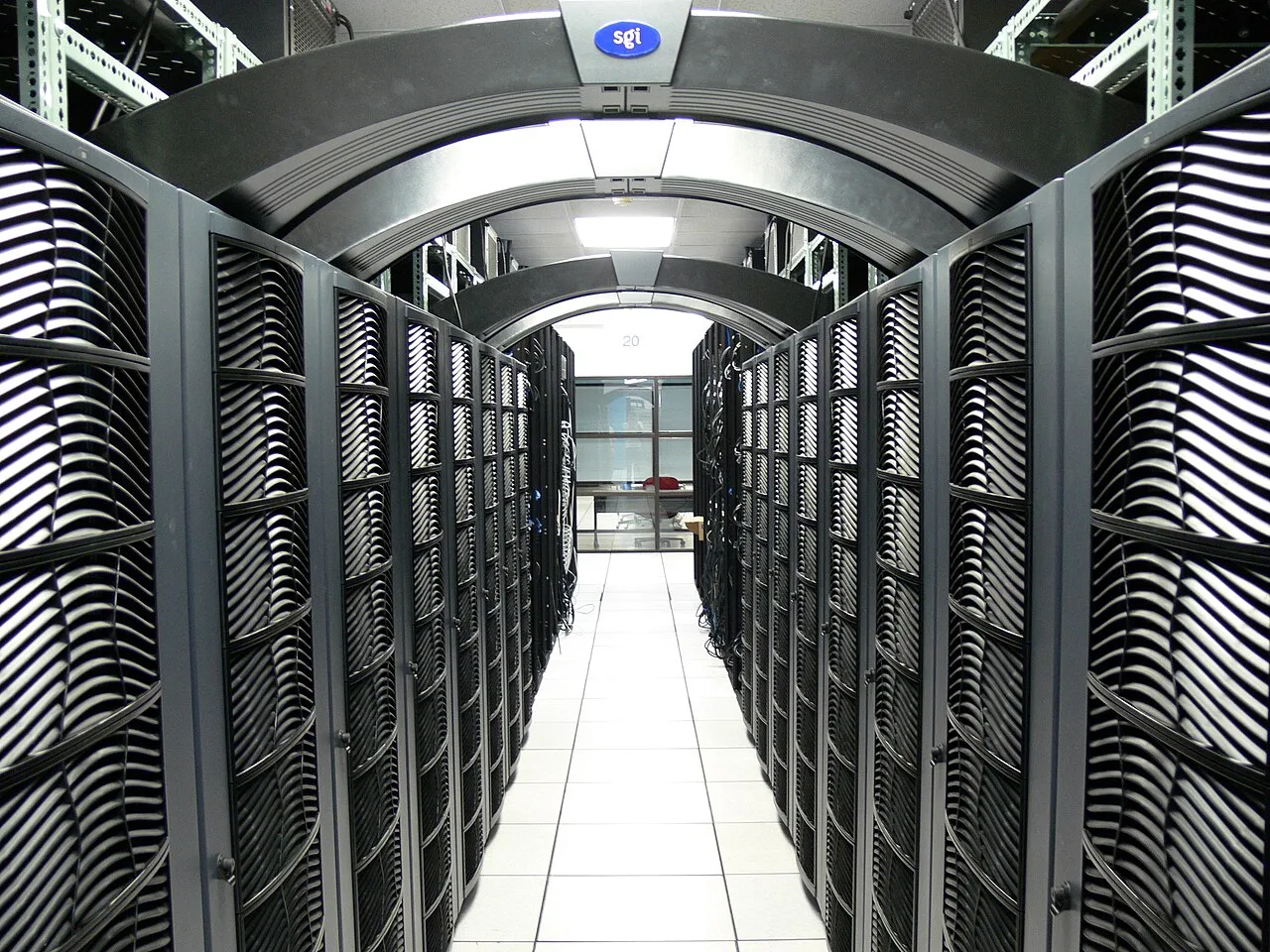
Mainframes still run core banking, insurance and government systems, and the people who know how to operate them are in short supply. An agent that can watch a system, explain what went wrong and perform routine steps is aimed at that gap. Neither company has said how many customers Geniez had, or whether the product was in production use at the time of the sale.
Gil Peleg, Geniez's CEO, said in a statement quoted by CTech that "GenAI-based business applications can fundamentally change how enterprises understand and operate".
“GenAI-based business applications can fundamentally change how enterprises understand and operate”
The founders and the funding
Geniez was founded by Peleg and Dan Shprung, both graduates of Mamram, according to CTech. They had been through a mainframe exit before: their earlier company, Model9, built mainframe data management software and was acquired by BMC Software in 2023.
In September 2025, Geniez raised a $6 million seed round co-led by StageOne Ventures and Canapi Ventures, CTech reported. That is the only funding round reported for the company. No other investors were named in the sources reviewed.
With six employees and one seed round, the company had spent little time as an independent business. If the reported valuation of up to $100 million is accurate, the price would be well above the $6 million raised, though that comparison rests on an estimate rather than a disclosed figure.
Why Rocket is buying
CTech described Rocket as a privately held company based near Boston and a portfolio company of Bain Capital Private Equity. Rocket's president and CEO, Milan Shetti, presented the purchase as part of a broader strategy to modernize core enterprise systems, according to the report.
The people joining from Geniez will work on Rocket EVA, which the company describes as its agentic AI platform. CTech did not say whether the Geniez name or product will continue to be sold separately, and neither company has said when any resulting capabilities will reach customers.
Buying a six-person team with direct experience of mainframe operations lets Rocket add that expertise without hiring for it from scratch. The sources reviewed do not say that was Rocket's stated reason.
What is still unclear
The price remains unconfirmed. The closing date, the form of payment, and whether the founders and staff have retention arrangements were not reported in the sources reviewed.
The deal is another exit for Peleg and Shprung, who have now sold two mainframe companies. It also puts a second Israeli startup from the mainframe niche into a large U.S. software group.