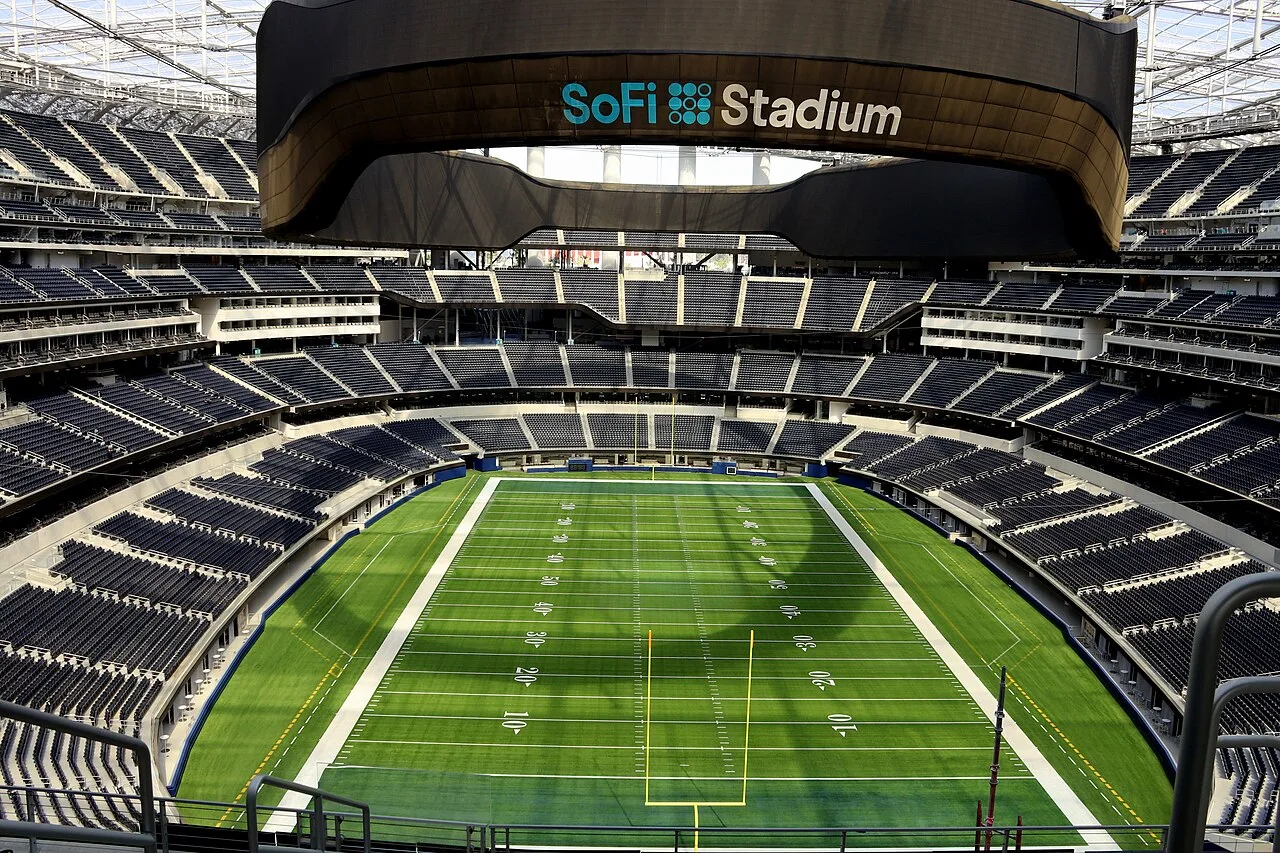
SoFi Technologies acquired Peach Finance, a startup that sells software for running and servicing consumer loans, the insurance and fintech news site Coverager reported on 21 May 2026. Peach co-founder and chief executive Eddie Oistacher announced the deal on LinkedIn.
Neither company disclosed the price at announcement. In its quarterly report for the period ending 30 June 2026, SoFi said it bought all of Peach's equity for cash during the second quarter. The filing gave only a combined figure of about $70.1 million for Peach and Composer, an AI investing platform SoFi bought in the same quarter, and recorded $25.8 million of goodwill for Peach.
Peach will become part of SoFi Technology Solutions, the business-to-business arm that also includes the payments and card platform Galileo and the core banking provider Technisys. SoFi said it intends to integrate Peach within its Technology Platform segment.
What Peach built
Peach was founded in 2018 and offers its product as software-as-a-service. Lenders use it to handle loan servicing and processing, so they do not have to write that infrastructure themselves. SoFi's filing describes Peach as a cloud-native, API-first loan management and servicing platform.
In his announcement, Oistacher recalled the company's early days in Oakland, California, and said it scaled during the pandemic and added customers over the following years. He credited his co-founders Gur Brosh and Eran Sandler. Peach did not name customers in the coverage of the deal.
Coverager reported that Peach had around 54 employees, based on LinkedIn data.
“Eight years ago, we started Peach with a simple belief: lending infrastructure could be built better — and you should not have to build it from scratch every time.”
Why SoFi is buying
SoFi is best known for consumer loans, banking and investing, but it has spent several years building a second business that sells technology to other banks and fintechs. It added Galileo and, in 2022, Technisys, a cloud-native digital and core banking platform with customers in Latin America, according to the company's filing.
Oistacher said that inside SoFi, Peach would help build a platform that brings together processing, banking core and ledgering, payments, and risk and fraud tools. Lending systems were the piece Peach adds to that set. SoFi wrote in its quarterly report that the Peach deal is intended to further expand its enterprise technology capabilities.
Coverager described the purchase as another infrastructure layer for SoFi's enterprise technology business, which has been moving beyond consumer products into banking and fintech services for third parties.
Peach was one of two companies SoFi bought in the second quarter. The other, Composer, offers an AI-powered investing platform that lets users build, test and run investment strategies in everyday language, and sits in SoFi's Financial Services segment rather than its Technology Platform segment. Of the $31.5 million in goodwill SoFi recorded on the two deals, $25.8 million related to Peach and $5.7 million to Composer.
The founders and the funding
Peach raised about $27.5 million over its life, according to Coverager. Its backers included Nyca Partners, Canapi Ventures, Caffeinated Capital and SciFi VC. Pulse 2.0, summarising Oistacher's post, also listed Background Capital among the investors he thanked. The reports did not break the total down by round or name lead investors.
Law firm Sidley Austin, which said it has long been Peach's outside counsel, advised the startup on the sale. The Sidley team was led by Sara Carian in M&A and by Idan Netser and Graeme Waller from its emerging companies and venture capital practice.
What it means for lenders
For banks, credit unions and fintech lenders that already use Galileo or Technisys, the deal puts a loan servicing system under the same owner as their card, payments or core banking provider. Neither company said whether Peach's product would keep its name or change pricing for existing customers.
SoFi's filing said the fair value estimates for the acquisition could still change for up to a year after the deal date as more information becomes available. Goodwill from the purchase is not expected to be deductible for tax purposes, the company said.