TXP Medical, a Japanese company that builds data platforms for emergency and intensive care, said on November 16, 2026 that it has decided to take over the AI-native electronic health record business of Sakigake Link, a young company run by psychiatrist Yuji Higuchi. The deal is a business transfer rather than a purchase of Sakigake Link's shares.
Neither company disclosed a price, a closing date or the exact scope of the assets changing hands. TXP Medical said the transfer covers Sakigake Link's cloud-based record system, which is sold as two product lines: Sakigake Prime for acute-care, long-term-care and rehabilitation hospitals, and Sakigake Rita for psychiatric hospitals.
With the system in hand, TXP Medical said it is formally entering the market for electronic health records at mid-sized and large hospitals, including acute-care hospitals with 200 or more beds. The two companies will combine their clinicians and product planners into one team, with TXP Medical chief executive Tomohiro Sonoo leading work on acute care and Higuchi leading work on psychiatry, according to the release.
What Sakigake Link built
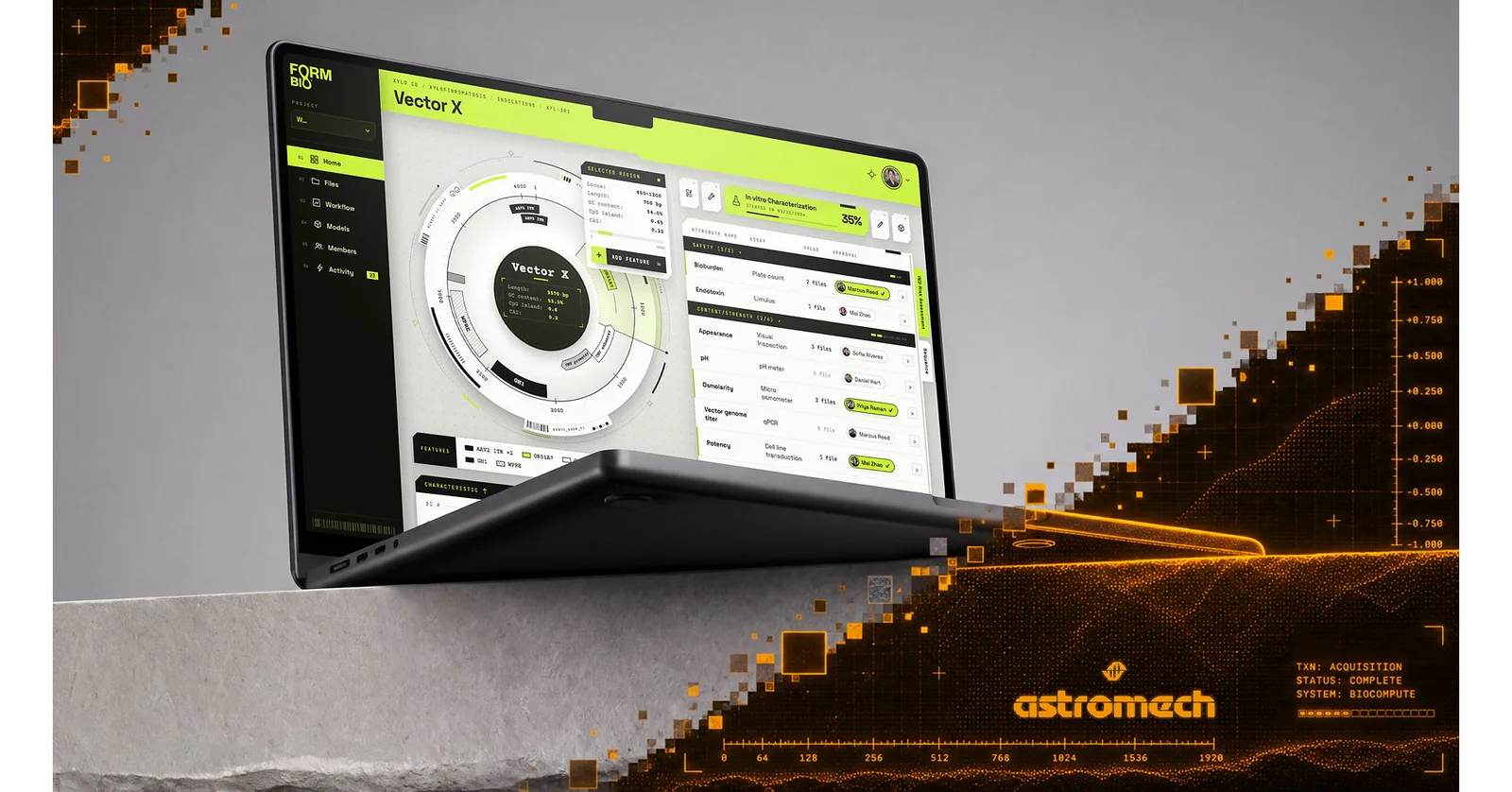
Sakigake Link describes its product as an electronic health record designed around generative AI from the start, rather than an older records system with AI features added later. TXP Medical's announcement groups its functions under three headings.
The first is help with data entry. The system uses voice input, optical character recognition and generative AI to draft clinical notes and other documents automatically, and it includes an AI agent that searches across a patient's records and AI support when doctors place orders. The second is reuse of clinical data: records are stored in a structured format based on international standards for each clinical field, so that information gathered in daily care can feed clinical research, multi-centre registries and drug trials. The third is hospital management, with AI reminders and checks on billing-related items such as diagnoses, nursing-need scores and psychiatric fee add-ons, and a dashboard showing real-time use of emergency departments, operating theatres and beds.
In his comment in the release, Higuchi said Sakigake Link won hospital contracts soon after it was founded. The system is already running at Sakigake Hospital, a 180-bed psychiatric hospital in Okayama Prefecture. Within the current fiscal year, a 200-bed rehabilitation hospital and a 120-bed psychiatric hospital in the Kanto region are due to go live, along with several clinics and small hospitals. Three acute-care hospitals with 200 or more beds are expected to start using it during fiscal 2027.
Why TXP Medical is buying
TXP Medical's main products are department systems for hospital emergency rooms and intensive care units, sold under the NEXT Stage name, along with a generative AI tool for drafting medical documents. The company says these systems are used in more than 100 large hospitals with an average of about 700 beds, and that it holds more than 45% of the market at university hospital emergency centres. Its NSER mobile system, used by local governments to manage ambulance transport, covers around 14 million people, or about 12% of Japan's population.
The company argues that there is a gap in the market. Large vendors' on-premise record systems are expensive to install and maintain and have been slow to move to the cloud and add AI, it says, while most new cloud record products are designed for clinics and small hospitals and cannot handle the emergency, surgery, health check and dialysis workflows of a large acute-care hospital. TXP Medical says that joining its existing emergency, ICU and operating-room software with Sakigake Link's record system will give it a complete cloud-native AI record for those hospitals.
The timing is tied to government policy. Japan's health ministry has set a target of 100% electronic record adoption at hospitals with 200 or more beds by 2028, and TXP Medical notes that subsidies and cybersecurity budgets are increasingly built around moving to cloud systems.
The people behind the deal
Both companies are led by doctors. Sonoo, TXP Medical's representative director, said in the release that entering the electronic health record business had been a goal since the company was founded, and that he and Higuchi have a senior-junior relationship from their university days. Higuchi is a psychiatrist and a graduate of the University of Tokyo's medical school, according to TXP Medical.
Higuchi said in his comment that Sakigake Link decided to hand its record business to TXP Medical to grow it faster, pointing to TXP Medical's network of hospitals and local governments and its track record of running large systems. The release does not say whether Sakigake Link's staff will move to TXP Medical or what will happen to Sakigake Link as a company after the transfer.
Dealroom reported that TXP Medical raised about $18.9 million in 2026 to invest in generative AI and products for large hospitals. Sakigake Link's own funding has not been reported.
A crowded race for hospital records
TXP Medical is not the only startup chasing Japan's large hospitals. Dealroom noted that Henry, a cloud health record company that has raised about $100 million according to Dealroom's data, began serving hospitals with 300 or more beds in September 2026, and that Fujitsu Japan is developing a cloud system for large hospitals.
TXP Medical plans to present the Sakigake products and its plans for the market in an online seminar for hospital executives and IT managers on December 2, 2026.