XRHealth, a Boston-based company that provides virtual and extended reality therapies, has acquired living brain, a startup in Heidelberg, Germany, that makes virtual reality software for cognitive rehabilitation. XRHealth announced the deal on November 2, 2026.
Financial terms were not disclosed. XRHealth said it will add living brain's flagship product, teora mind, to its platform, along with the startup's other teora tools.
The announcement did not say whether living brain's team would join XRHealth or how many people the startup employs. Founder and chief executive Julian Specht was quoted in the announcement.
What living brain built
Patients recovering from strokes, accidents or other brain injuries often have to relearn ordinary tasks. teora mind puts them in a virtual environment with 25 everyday scenarios, such as kitchens, gardens and stores, where they practise those activities at adjustable levels of difficulty. XRHealth said it is based on established principles of occupational therapy and neuropsychology.
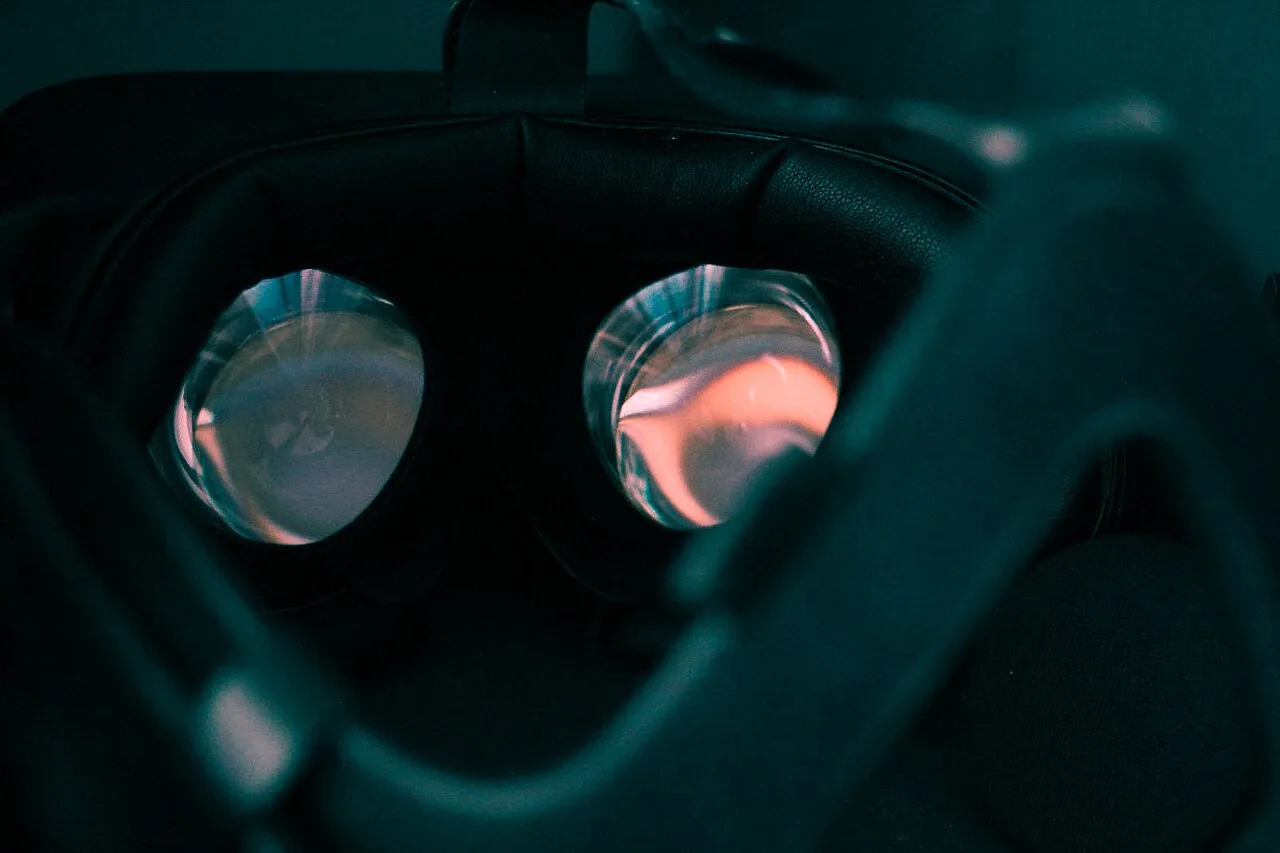
A profile of the company on Baden-Württemberg's health industry portal described how the software works in a clinic: a patient wearing a VR headset practises a task such as making coffee in a virtual kitchen, while the therapist follows along live on a tablet. The clinic package includes the headset and the tablet.
The product carries Class IIa certification under the EU Medical Device Regulation, and XRHealth described it as one of the few certified cognitive training devices in Europe. living brain also makes teora platform, a web app for therapists to manage patients and track progress, teora body, a VR tool for upper-body motor rehabilitation, and teora Supervisor, which streams the view from a patient's headset to a therapist's tablet.
XRHealth said the software has been evaluated at seven clinical sites in Germany and cited a 2023 randomised controlled trial, published in JMIR Serious Games, that found teora mind more effective than conventional computer-based cognitive training in several areas.
XRHealth said living brain has worked with partners including hospitals and insurers. It also pointed to a 2021 meta-analysis in the Journal of Medical Internet Research that found VR-based therapy improved executive function, memory and visuospatial function in stroke patients more than traditional therapy.
“The acquisition of living brain represents another step in our vision to build a comprehensive ecosystem of digital therapeutics that delivers personalized care across multiple technologies.”
The founders
living brain was started by psychologists Julian Specht and Barbara Stegmann, who met while studying psychology, according to a profile on Baden-Württemberg's health industry portal. The profile dated the company's start to 2017, while XRHealth's announcement says it was founded in 2019. Software developer Till Ikemann joined the founders early on.
The startup worked with doctors, psychologists and researchers and had a cooperation agreement with the Asklepios Neurological Clinic Falkenstein. No outside funding has been reported.
Specht said living brain's goal had always been to help people regain cognitive abilities and return to the activities that matter in their daily lives as quickly as possible.
Why XRHealth is buying
XRHealth sells VR and augmented reality therapies for physical, cognitive and behavioural health and has assembled much of its portfolio through acquisitions. It bought Amelia Virtual Care in 2023, integrated Amsterdam's NeuroReality and its cognitive training game Koji's Quest in 2024, and in 2025 acquired RealizedCare, a chronic pain company, and Innerworld, a virtual mental health community with more than 120,000 users.
Chief executive Eran Orr said cognitive rehabilitation plays an important role in helping people navigate everyday life, and that living brain's immersive approach brings therapy closer to the real-world activities patients need to master. XRHealth said integrating the products should widen access to personalised therapy beyond traditional clinical settings.
XRHealth itself is venture-backed: it raised $6 million in 2024 with participation from Asabys Partners and NOVA Prime Fund, after rounds of $10 million in 2022 and $7 million in 2020, according to HLTH.